Choosing the right crane for your construction or heavy lifting project is critical for ensuring efficiency, safety, and cost-effectiveness. Whether you're dealing with a small project or a large-scale construction endeavor, selecting the right equipment can significantly impact your timeline and project budget. Hill Crane offers a diverse range of cranes and heavy lifting services in California and Arizona, catering to a variety of industries. In this blog, we’ll guide you through how to choose the right crane for your project and how Hill Crane can provide the right equipment and support for your needs.
Tip 1: Assess Your Project’s Lifting Requirements
The first step in selecting the right crane is understanding your project’s lifting requirements. What is the weight of the materials you need to lift? What are the required lift heights and reach? Some cranes are better suited for heavy-duty lifting, while others excel at reaching higher altitudes or handling specific types of loads.
For example, if you’re lifting extremely heavy loads, you may need a crawler crane or a rough terrain crane. For projects requiring a higher reach, boom truck cranes or telescopic cranes might be a better fit.
For more information on crane lifting capabilities, refer to our Crane Lifting Capacity Guide.
Tip 2: Choose Between Different Types of Cranes
There are many types of cranes, each designed for specific tasks and conditions. Some common crane types include:
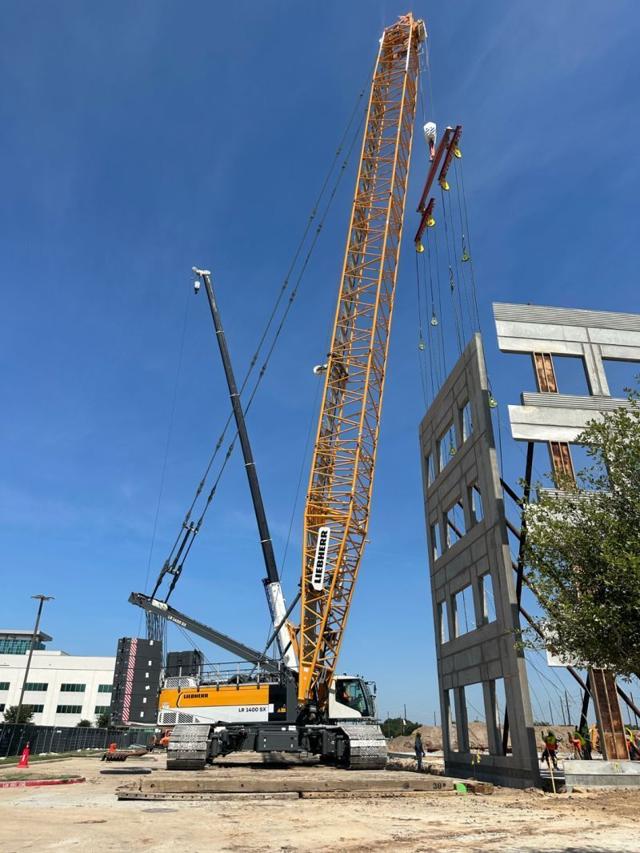
- Crawler Cranes: Ideal for lifting heavy loads in challenging terrain. They offer stability and versatility, making them suitable for large construction sites.
- Rough Terrain Cranes: These cranes are designed for off-road use and are perfect for outdoor sites with uneven terrain.
- Self-Propelled Modular Transporters (SPMT): Used for moving extremely heavy loads across long distances.
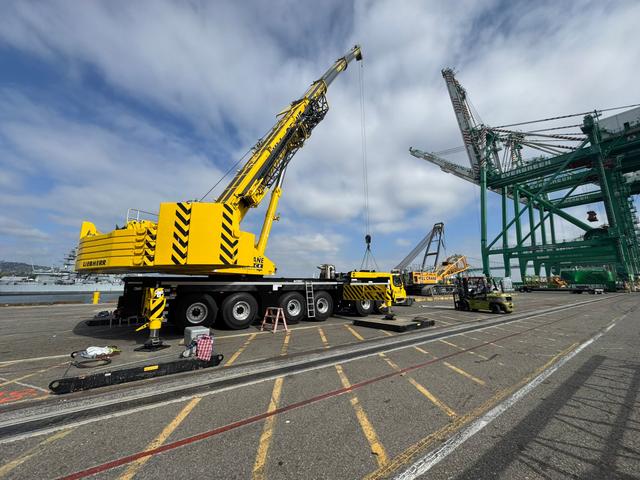
- Boom Truck Cranes: Best for lifting materials at varying heights in areas with limited space.
At Hill Crane, we offer various crane types, including Tadano Cranes and Link-Belt Cranes, to fit your project’s specific needs.
Tip 3: Consider Project Location and Terrain
The location and terrain of your construction site play a critical role in crane selection. For sites with uneven ground or limited access, you may need a crawler crane or a rough terrain crane, which offers greater stability and mobility in difficult conditions.
For urban environments or sites with space constraints, a boom truck crane or carry deck crane may be more appropriate due to their compact design and ability to operate in tighter spaces.
If you're working in a specialized area, like a heavy haul or SPMT transport project, we offer equipment designed for moving and lifting extremely heavy loads. Explore our Heavy Haul and SPMT Transport Services for more details.
Tip 4: Evaluate Crane Capacity and Reach
Once you have a better understanding of your project requirements and terrain, it’s time to evaluate crane capacity and reach. Make sure to choose a crane with the right lifting capacity for your materials and the required reach to ensure safety and efficiency on the job site.
For instance, if you need to lift large machinery or oversized loads, a tadano hydraulic truck crane or Liebherr crawler crane might be the best fit. Learn more about these cranes in our blog on Maximizing Project Efficiency with Hydraulic Truck Cranes.
Tip 5: Consider Additional Services for Specialized Projects
In many projects, additional services such as rigging, lift planning, or traffic control are necessary to ensure smooth and safe operations. At Hill Crane, we provide comprehensive services like:
- Crane Rentals: Choose from a wide variety of cranes, from telescopic cranes to self-propelled modular transporters, for any project size or complexity.
- Lift Planning: Our expert team helps plan your lifts to ensure efficiency and safety.
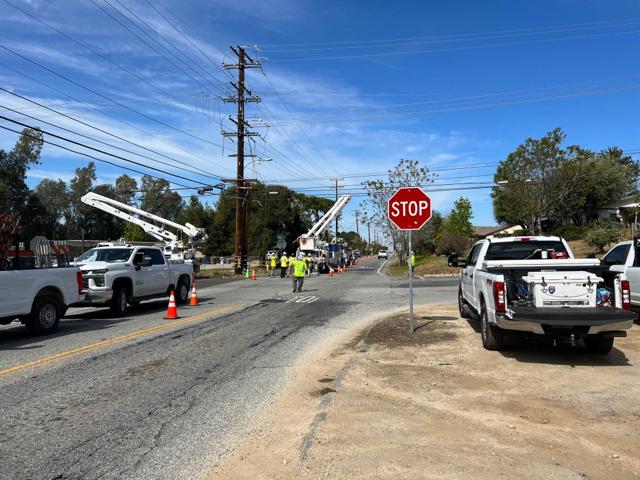
- Traffic Control: We provide traffic control services to keep the flow of traffic uninterrupted while cranes operate on site.
Explore all of our crane services, including crane rentals and rigging, to make sure your project is completed safely and on time.
Tip 6: Evaluate Safety Features
Safety is a top priority when selecting any heavy equipment, and cranes are no exception. Always ensure that the crane you choose is equipped with the necessary safety features, such as:
- Overload Protection Systems
- Operator Safety Training
- Stability Control Features
At Hill Crane, we prioritize safety, offering cranes that meet the latest industry safety standards. You can learn more about crane safety and operator training in our blog on How Local Equipment Rental Teams Solve Problems Faster.
Conclusion
Choosing the right crane for your heavy lifting project is a crucial step to ensure the project’s success. By understanding your project’s requirements, the terrain, and the type of crane needed, you can make an informed decision. Hill Crane offers a range of cranes and specialized services to help you get the job done efficiently and safely.
Explore our full selection of cranes and equipment, including boom truck cranes and rough terrain cranes, on our Crane Rental Services page.