

Large-scale construction, energy infrastructure, and industrial projects depend on precision lifting systems that go far beyond simply “renting a crane.” Today’s job sites demand engineered planning, coordinated logistics, and highly trained operators who can execute complex lifts under strict safety and timing constraints. In regions like California and Arizona, where projects range from dense urban construction to remote industrial installations, crane rental and rigging services have evolved into fully integrated engineering solutions.
Companies like Hill Crane play a critical role in delivering these end-to-end lifting solutions. Instead of providing only equipment, they combine lift planning, rigging design, transportation, and execution into a single controlled workflow that reduces risk and improves project performance.
This article explores how modern crane rental and rigging systems are structured, why engineering-driven lift planning matters, and how integrated service models are transforming heavy lifting across major construction sectors.
Why Modern Projects Depend on Integrated Crane and Rigging Services
Construction environments today are significantly more complex than in the past. Tight urban spaces, heavier prefabricated components, stricter regulations, and compressed project timelines mean that lifting operations must be planned with precision.
Traditional approaches that separate crane rental, rigging, and transport between multiple vendors often introduce coordination gaps. Each handoff increases the chance of miscommunication, delays, or safety oversights. In contrast, integrated service providers streamline communication and accountability.
For example, Hill Crane’s approach brings together crane selection, engineered lift plans, rigging configurations, and site logistics under one coordinated system . This reduces downtime and ensures that every lift is executed exactly as planned.
Key benefits of integrated crane services include:
- Reduced project delays due to fewer coordination gaps
- Improved safety through unified engineering oversight
- More accurate equipment selection based on load and site conditions
- Faster mobilization and setup on job sites
- Lower total project cost through efficiency gains
The Role of Lift Engineering in Modern Crane Operations
One of the most important shifts in crane operations is the increasing reliance on lift engineering. Rather than selecting a crane based only on capacity, modern projects require detailed analysis of load geometry, radius, ground pressure, and environmental constraints.
Lift engineering typically includes:
- AutoCAD-based lift drawings
- 3D lift simulations and modeling
- Ground bearing pressure calculations
- Outrigger load distribution analysis
- Critical lift risk assessments
These engineering tools help project teams visualize the lift before equipment even arrives on site. According to Hill Crane’s internal workflow, advanced planning significantly reduces operational surprises and improves execution accuracy .
In high-risk environments such as refineries, substations, and dense urban developments, lift engineering is not optional it is essential for compliance and safety assurance.
Crane Selection Matching Equipment to Project Demands
Selecting the right crane is one of the most critical decisions in any lifting project. A mismatch between equipment and job requirements can lead to inefficiency, increased costs, or serious safety risks.
Modern crane fleets are typically divided into several categories:
Mobile cranes are widely used for flexible operations where mobility and quick setup are important. These are ideal for general construction and industrial maintenance.
All-terrain cranes combine road mobility with heavy lifting capacity, making them suitable for multi-site projects where transport efficiency is essential.
Rough terrain cranes are designed for uneven or unpaved surfaces, making them ideal for industrial yards and remote construction environments.
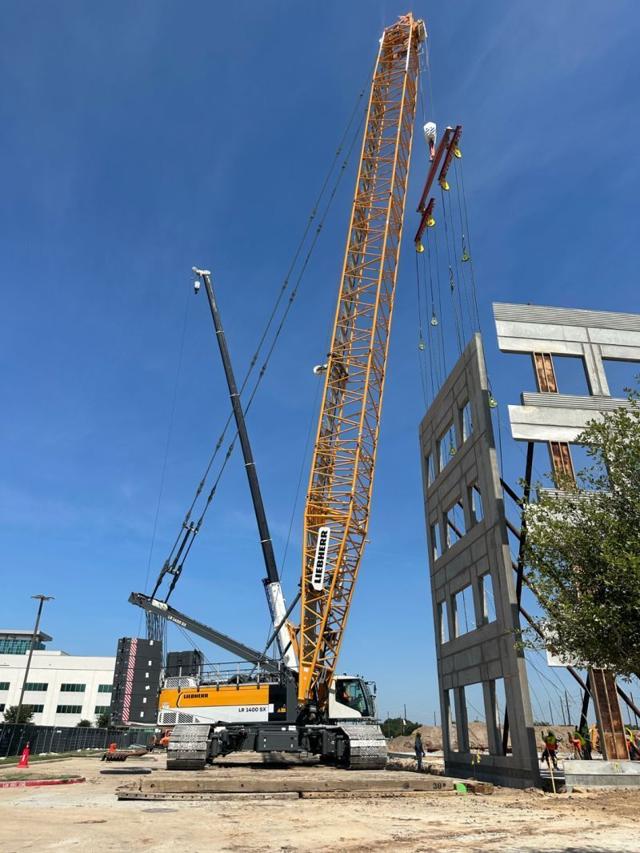
Crawler cranes provide high stability and lifting capacity for long-duration or heavy structural projects.
A well-planned crane selection process evaluates not only load weight but also radius, clearance, access limitations, and ground stability. Integrated providers like Hill Crane ensure this analysis is completed during the planning stage rather than on the job site, preventing costly adjustments during execution.
Rigging Systems The Hidden Backbone of Safe Lifting
While cranes perform the visible lifting work, rigging systems are what make precision placement possible. Rigging involves all the equipment and configurations used to connect the load to the crane safely.
Common rigging components include:
- Slings and shackles
- Spreader beams
- Custom lifting frames
- Hydraulic jacking systems
- Modular rigging assemblies
In complex lifts, rigging design is often as important as the crane itself. Improper rigging can shift load balance, create instability, or exceed safe working limits.
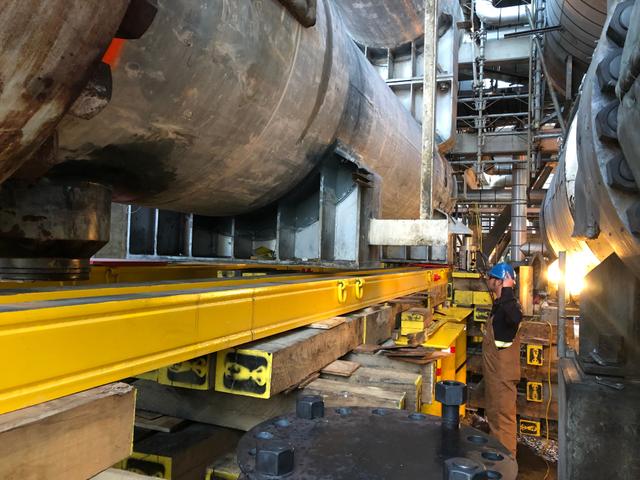
Integrated providers design rigging systems alongside crane selection to ensure both components work together seamlessly. This coordination is especially important for irregular loads such as transformers, industrial vessels, or prefabricated building modules.
SPMT and Heavy Transport Extending Beyond Crane Capability
Not all loads can be lifted using traditional crane methods. Extremely large or heavy components often require alternative transport systems such as Self-Propelled Modular Transporters (SPMTs).
SPMT systems are used for:
- Industrial equipment relocation
- Power generation components
- Large prefabricated modules
- Infrastructure segments
- Sensitive or oversized machinery
When combined with crane and rigging operations, SPMT systems allow for precise movement of loads across job sites without repeated lifting. This reduces structural stress on equipment and improves safety during transport operations.
Safety Protocols That Define Modern Crane Operations
Safety is the foundation of every successful crane operation. Without strict protocols, even well-planned lifts can fail.
Key safety practices include:
- Certified operator requirements
- Pre-lift site inspections
- Weather monitoring and wind load assessments
- Load verification and center-of-gravity analysis
- Communication protocols using radios and hand signals
Integrated crane service providers enforce standardized safety procedures across all stages of the lift, ensuring consistency from planning through execution.
Hill Crane’s long-standing industry experience, dating back to 1947, reflects a deep commitment to safety-driven operations and compliance standards across California and Arizona .
Industry Applications of Crane Rental and Rigging Services
Modern crane rental and rigging services support a wide range of industries, each with unique lifting requirements.
Energy and Utilities
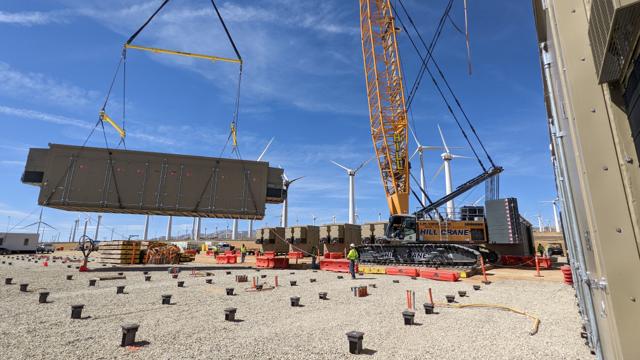
Used for transformer installation, substation upgrades, and renewable energy infrastructure.
Commercial Construction
Supports steel erection, HVAC installation, and structural placement in urban environments.
Industrial Manufacturing
Used for machinery installation, plant maintenance, and equipment replacement.
Infrastructure Projects
Supports bridge construction, roadway systems, and public utility installations.
Aerospace and Specialized Manufacturing
Handles high-precision, high-value equipment requiring careful placement and control.
Each industry requires a different combination of crane capacity, rigging configuration, and lift planning strategy.
Why Integrated Crane Services Improve Project Timelines
Time is one of the most critical factors in construction and industrial projects. Delays in lifting operations often cascade into broader project setbacks.
Integrated crane service models improve timelines by:
- Eliminating vendor coordination delays
- Reducing setup time through pre-planned logistics
- Minimizing on-site adjustments
- Ensuring equipment arrives correctly configured
- Streamlining permitting and transport approvals
By consolidating responsibilities, providers reduce uncertainty and ensure predictable execution schedules.
The Future of Crane Rental and Rigging Systems
The crane and rigging industry is evolving toward greater automation, digital planning, and predictive safety systems. Emerging technologies include:
- Real-time load monitoring sensors
- AI-assisted lift planning tools
- Remote-controlled crane systems
- Advanced simulation software for risk prediction
These innovations improve safety and efficiency while reducing human error during complex lifts.
As construction projects become more advanced, integrated service providers will continue to play a central role in bridging engineering, logistics, and execution.
Conculsion
Modern crane rental is no longer just about equipment availability it is about engineered precision, coordinated planning, and full-service execution. Companies like Hill Crane demonstrate how combining crane rental, rigging, transport, and lift planning into a single system creates safer and more efficient project outcomes.
For contractors and project managers in California and Arizona, adopting integrated lifting solutions is no longer optional it is the standard for achieving reliable, on-time project delivery.