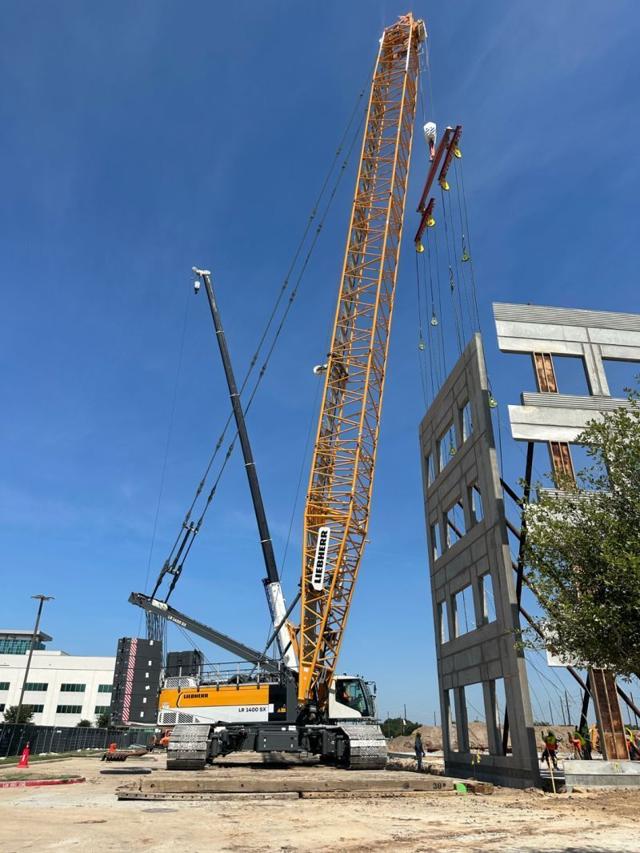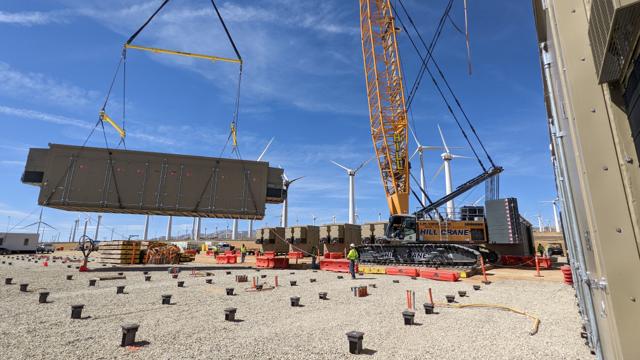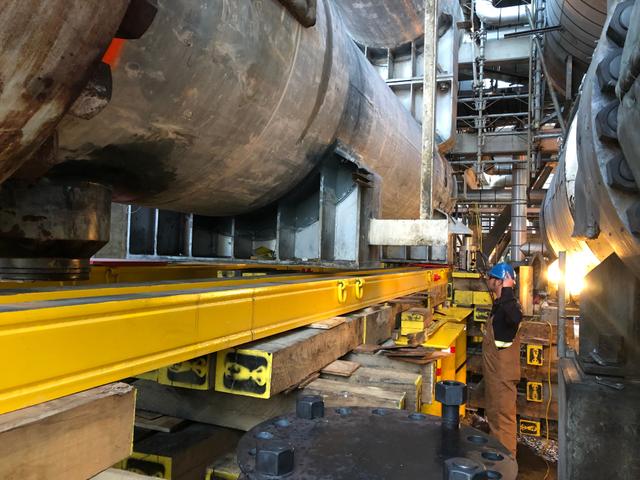


A crane's rated lifting capacity assumes one critical thing that is easy to overlook, that the ground beneath it can actually support the forces the machine and its load are about to place on it. A crane set up on unstable, uneven, or improperly assessed ground can tip, sink, or shift mid-lift even when the crane itself is operating exactly as designed and the load falls well within its rated capacity. Ground conditions are not a secondary detail to check once everything else is in place. They are one of the first factors that determines whether a lift can be performed safely at all.
This groundwork happens well before the crane arrives on site, and it connects directly to the planning process covered in why detailed lift planning is essential for heavy lifting projects, where evaluating site conditions is one of the earliest and most consequential steps in preparing for a safe and successful lift.
Why Ground Bearing Capacity Matters So Much
Every crane transfers its weight and the weight of its load down through outriggers, tracks, or wheels into the ground beneath it. Ground bearing capacity refers to how much pressure a given soil or surface type can support before it begins to deform, settle, or fail under that load. Different soil types have dramatically different bearing capacities, and a surface that looks solid on the surface can still be inadequate several feet down where the actual load bearing stress concentrates.
Soft, saturated, or recently disturbed soil, common on sites that have seen recent excavation, grading, or heavy rainfall, presents a particular risk, since these conditions are not always visible from a simple surface inspection. A crane operator or rigging team assessing ground conditions needs information that goes beyond what the surface looks like, which is why proper site assessment often involves more than a visual check before setup begins.
Outrigger Pressure and Why It Concentrates Load So Heavily
Mobile cranes typically rely on outriggers, extendable supports that spread out from the crane's base and lift the machine slightly to create a stable footprint. While outriggers distribute the crane's weight across a wider area than the crane's tires or tracks alone, the pressure at each individual outrigger pad can still be extremely high, often reaching several thousand pounds per square foot depending on the crane's size and the load being lifted.
This concentrated pressure is why outrigger pads alone are frequently insufficient on softer ground, and why additional support, commonly called cribbing or matting, becomes necessary to spread that load over a larger surface area before it reaches the ground. Skipping or undersizing this additional support is one of the more common and preventable causes of crane instability on construction sites.
Cribbing and Matting: Spreading the Load Safely
Cribbing typically involves stacking wood or engineered blocks beneath outrigger pads to distribute pressure over a larger footprint and provide a more stable, level base than the outrigger pad alone would achieve on marginal ground. Matting, often made from heavy timber or engineered composite materials, serves a similar purpose across a wider area and is particularly useful on sites with consistently soft or unstable ground conditions throughout the working area.
Choosing the right size and configuration of cribbing or matting depends on the specific ground bearing capacity at the site, the crane's outrigger pressure at maximum load, and the total weight being supported. This calculation is part of the engineering work that goes into proper rigging preparation, similar to the load path and equipment considerations discussed in crane rigging for heavy lifts, where matching support equipment to actual site conditions protects both the crane and everyone working around it.
What a Proper Site Assessment Actually Involves
A thorough ground assessment before crane setup typically includes a visual inspection of the working area for signs of recent excavation, fill material, or drainage issues that could indicate unstable subsurface conditions. It often involves reviewing available geotechnical information if the site has any prior soil testing on record, particularly on larger commercial or industrial projects where this data may already exist from earlier phases of construction.
For sites without existing soil data, a more direct assessment, sometimes involving penetration testing or consultation with a geotechnical engineer, may be necessary before finalizing crane placement, particularly for larger cranes or lifts involving heavier loads where the margin for error is smaller. This level of diligence connects to the broader safety framework outlined in safety protocols for crane operations and risk free lifts, where thorough preparation before a lift begins is treated as inseparable from safety during the lift itself.
Common Ground Condition Hazards on Construction Sites
A few recurring ground hazards show up repeatedly across construction and industrial sites. Recently backfilled trenches or utility work can leave loose, uncompacted soil beneath an otherwise solid looking surface. Areas near building foundations may have unknown subsurface obstructions like old footings, utility lines, or debris from prior construction that affect how weight is actually distributed underground. Sites with a high water table or recent heavy rainfall can have significantly reduced bearing capacity even when the surface appears dry.
Sloped or uneven terrain adds another layer of complexity, since cranes need a level setup to operate safely, and even a slight grade can affect stability and load charts significantly. Identifying these hazards before the crane arrives, rather than discovering them during setup, is a core part of why site walks and pre-lift assessments matter as much as the lift plan itself.
How Ground Conditions Affect Crane Selection
Ground conditions do not just affect how a crane is set up, they can influence which crane makes sense for a project in the first place. Sites with consistently poor or unpredictable ground conditions may call for a crane with a lower ground bearing pressure footprint, or may require extensive matting across the entire working area rather than just individual outrigger locations. This consideration fits into the broader equipment selection process described in choosing the right crane and heavy equipment, where matching machine characteristics to actual site realities, not just lift capacity on paper, determines whether a project runs smoothly.
In some cases, ground conditions on a specific site may make certain crane configurations impractical altogether, requiring a different equipment approach or additional site preparation work before any lift can proceed safely.
Working With Experienced Crews on Ground Assessment
Ground assessment is not something that should be left to guesswork or a quick visual check by whoever happens to be on site first. Experienced rigging and crane crews bring a trained eye for the kinds of subtle warning signs that indicate marginal ground conditions, along with the technical knowledge to calculate appropriate cribbing and matting requirements based on actual outrigger pressures and site specific bearing capacity.
This experience is part of what separates a straightforward, well executed lift from one that runs into costly delays or safety incidents partway through setup. Coordinating this assessment early in the planning process, well before equipment mobilizes to the site, gives enough lead time to bring in additional matting, schedule geotechnical review, or adjust crane selection if the ground conditions call for it.
Planning Ahead Protects Your Project Timeline
Discovering a ground condition problem after a crane has already mobilized to site is far more costly and disruptive than identifying it during the planning phase. Delays caused by inadequate ground preparation can push back an entire project schedule, particularly on tightly coordinated jobs where the crane's time on site is already scheduled around other trades and activities.
Building ground assessment into the earliest stages of project planning, alongside the broader coordination discussed in how crane services improve project coordination and efficiency, helps avoid these disruptions and keeps a heavy lift project moving on schedule rather than stalling out over a preventable setup issue.
Getting the Right Assessment Before Your Next Lift
Ground conditions deserve the same level of attention as load capacity, rigging configuration, and crane selection, since a lift is only as safe as the ground it is performed on. Our team evaluates site conditions as a core part of every lift plan, bringing the equipment and expertise needed to set up safely regardless of what a specific site presents.
Reach out through our contact page or explore our lift planning services to talk through the ground conditions on your next project before equipment mobilizes to site.
Frequently Asked Questions
How is ground bearing capacity determined on a job site
Ground bearing capacity can be estimated through visual assessment of soil type and condition, reviewed from existing geotechnical reports if available, or measured directly through penetration testing for sites without prior soil data. Larger cranes and heavier lifts generally warrant a more thorough assessment given the higher stakes involved.
What is the difference between cribbing and matting
Cribbing typically refers to stacked blocks placed beneath individual outrigger pads to spread pressure over a small, concentrated area, while matting refers to larger panels or timbers that distribute load across a wider section of ground, often used when an entire working area has marginal bearing capacity rather than just isolated outrigger locations.
Can poor ground conditions affect which crane I should use
Yes. Sites with limited bearing capacity may require a crane with a different footprint, additional matting across the site, or in some cases a different equipment approach altogether. Ground conditions are one of several factors that should inform crane selection alongside load capacity and reach requirements.
When should ground assessment happen in the planning process
Ground assessment should happen as early as possible in project planning, ideally before a crane is scheduled to mobilize to site. This gives enough time to arrange additional matting, geotechnical review, or equipment adjustments if the assessment reveals conditions that need to be addressed before setup.