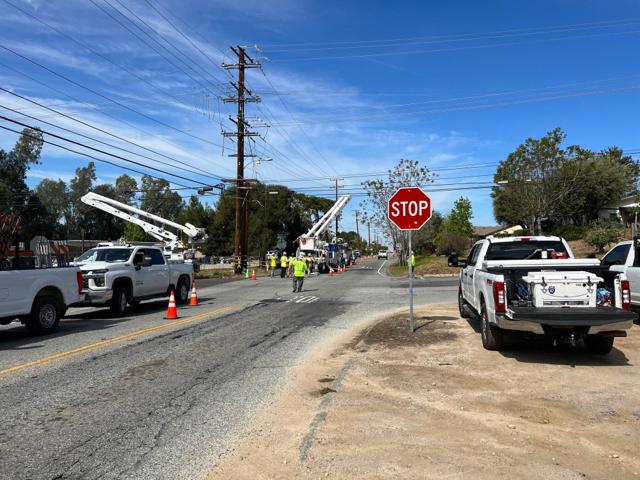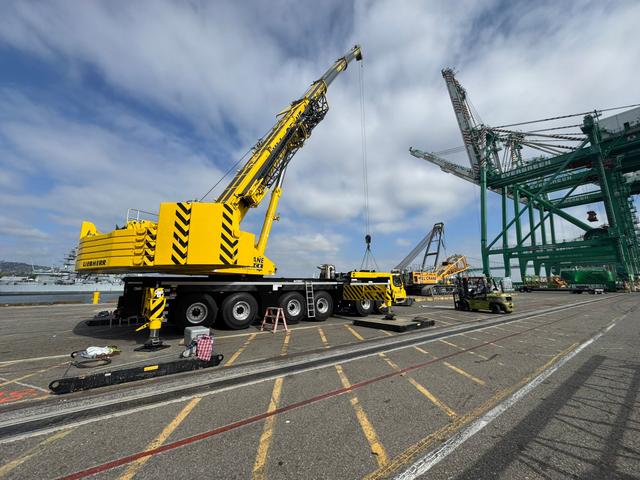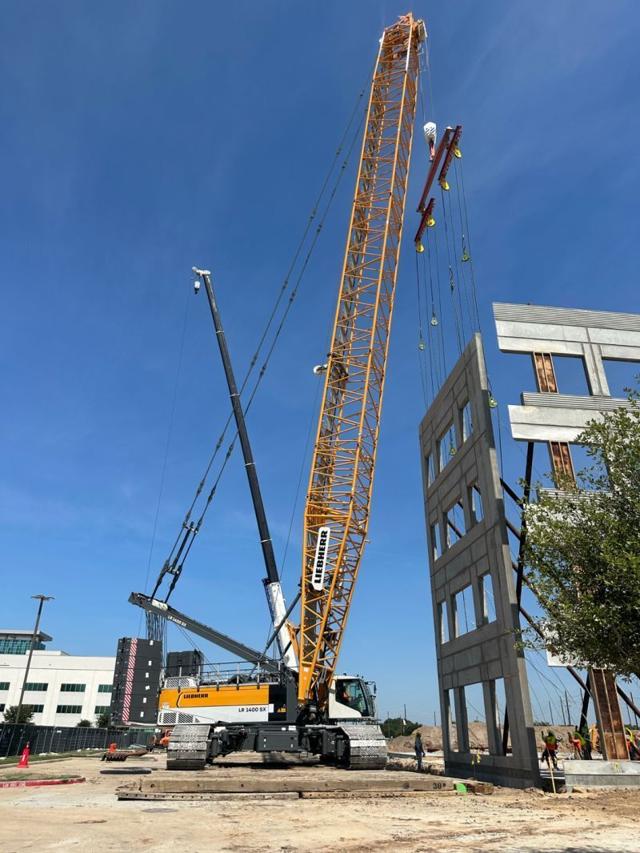
Crane types are the main categories of lifting machines, grouped by how the crane travels, how its boom works and what ground it can operate on. The types most often discussed in construction are truck-mounted (boom truck) cranes, rough terrain cranes, all terrain cranes, crawler cranes and carry deck cranes, with tower cranes as fixed context. Telescopic and lattice describe the boom style rather than the carrier, so one machine can be both a crawler and a lattice boom crane. The right choice comes down to load, reach, ground conditions and site access.
What are the main types of cranes?
Most cranes used on construction sites fall into two broad families. Mobile cranes drive or track to the work and lift from a temporary setup. Static cranes, such as tower cranes, are erected on site and stay in place. Hill Crane operates mobile and crawler equipment, and the current units appear on our crane and lifting equipment listings. Tower cranes appear below for context only, because contractors often compare them with mobile options when planning tall work.
Here is the short version of each category:
- Truck-mounted and boom truck cranes travel on paved roads and mobilize quickly for short-term jobs.
- Rough terrain cranes are designed for off-road sites with uneven ground.
- All terrain cranes suit long travel distances and varied surfaces.
- Crawler cranes are track-mounted for heavy loads and do not need outriggers.
- Carry deck cranes are a separate category in Hill Crane's equipment inventory.
- Tower cranes are fixed cranes used on tall structures. They are included here for context only and are not presented as Hill Crane equipment.
How do mobile cranes differ from crawler cranes?
The clearest difference is how the machine carries its weight. Wheeled mobile cranes drive to the site, extend outriggers (steel legs that press down on mats or pads) and lift from that fixed footprint. They are quick to mobilize, but they need firm, level support under each outrigger.
Crawler cranes use tracks rather than tires. The tracks spread weight across a larger surface, which lowers ground-bearing pressure, and crawler cranes lift without outriggers. Their suitability depends on the planned lift, site access, ground conditions and project duration. Our comparison of crawler cranes and truck cranes covers mobility, stability, setup time and lift capacity in more detail.
One real application for crawler cranes
Wind turbine installation shows why this crane type exists. As our wind energy service page explains, that work typically favors crawler cranes because of the height, capacity and stability the application demands. Crawler cranes offer the load capacity and boom length needed to reach nacelle and blade installation heights, along with the ground-bearing stability that comes from a tracked configuration. That page describes the application in general terms and does not report a specific project.
Which crane type is used for which construction job?
Matching construction crane types to tasks comes down to load weight, working radius, terrain and site access. The table below is a general guide, not a load chart. Real capacity depends on radius, boom configuration and ground conditions, so confirm every choice with a lift plan.
| Crane type | How it moves | Where it fits |
|---|---|---|
| Truck-mounted / boom truck | Drives on paved roads, sets outriggers | Short-term jobs where mobilizing quickly matters |
| Rough terrain | Four large tires, off-road travel | Uneven, unpaved job sites |
| All terrain | Road travel plus off-road axles | Long travel distances and varied surfaces |
| Crawler | Tracks, no outriggers required | Heavy loads, including wind turbine work |
| Carry deck | Separate inventory category | Ask the planner whether it fits your lift |
| Tower (context only) | Fixed, erected on site | Tall structures, more setup required |
What is the difference between a telescopic and a lattice boom crane?
A telescopic boom extends and retracts hydraulically, so the crane can change its reach during the shift without added assembly. This design is common on wheeled mobile cranes. Our telescopic crane page shows the units we run in this category.
A lattice boom uses an open steel framework and is commonly associated with crawler cranes. Its suitability depends on the required reach, load and site setup. In practical terms, telescopic booms favor speed and adjustability, while lattice booms are the usual configuration where long reach and heavy capacity at height drive the plan.
How do you choose between crane types for your project?
Work through the job in order, starting with the load. The questions below cover what a planner asks before recommending a machine:
- What is the heaviest load, including rigging, and how far from the crane will it sit?
- How high does the hook need to go, and is anything in the swing path?
- What is the ground like, and can it take outrigger loads or track pressure?
- How does the crane get in, and do you need street closures or permits?
- Is this a single pick, or weeks of repeat lifting?
A truck-mounted crane can suit a short lift on paved ground. A rough terrain crane can fit uneven, unpaved sites, while a crawler may suit sustained heavy lifting where tracked mobility and ground conditions support the plan. Confirm the choice through lift planning. Our operated crane rental service page explains how the crane, certified operator and planning work together.
Local planning in California and Arizona
Access often shapes the crane choice before capacity does. Projects in Long Beach, Los Angeles, Anaheim, Riverside, San Diego, Phoenix, Glendale, Tempe and Maricopa County all need an early review of access, setup area and ground conditions. Permit and traffic control requirements vary by agency, so confirm them with the local authority during planning rather than on the lift day.
Frequently asked questions about crane types
A construction crane lifts, moves and places loads at the required height or reach when the lift calls for crane equipment. Common tasks include setting structural steel, placing precast concrete and hoisting rooftop HVAC equipment. Cranes may also support planned machinery-moving work where the lift plan calls for them.
The common wheeled categories are truck-mounted or boom truck cranes, rough terrain cranes and all terrain cranes, plus carry deck cranes as a separate inventory category. Crawler cranes are also mobile, but they travel on tracks. The final choice depends on load, radius, access and ground conditions.
Rough terrain cranes are designed for uneven, off-road sites. All terrain cranes are used where long travel distances and varied site surfaces matter. The planned lift and site conditions determine whether either type is suitable, so review access and ground support before you commit to one.
No. Wheeled cranes extend outriggers to create a stable footprint before lifting, and that footprint needs firm support. Crawler cranes are track-mounted and do not need outriggers, because the tracks already spread weight. Your lift plan confirms what the selected machine requires on your specific ground.
A truck-mounted crane may suit a short lift on paved ground. For tight sites, the lift planner should assess the load, required reach and setup area before recommending a crane type. Traffic control and permits may also affect what can realistically be positioned on the street.
Contact the planning team as soon as the lift date, load weight and site access are known. Larger machines need transport arrangements, assembly time and sometimes permits. Earlier notice gives the team room to confirm the right machine, and Hill Crane says same-day or next-day scheduling is often available.
Matching crane types to your next lift
Understanding crane types turns a long equipment list into four practical questions about load, reach, ground and access. Once you can describe those four things, a planner can narrow the options quickly and tell you what the lift actually requires. If your job involves limited access, soft ground or repeat heavy picks, start that conversation before the schedule is locked in. If you also want help comparing specific machines, our guide to choosing construction cranes works through the decision step by step.
Hill Crane Service provides operated crane rental, rigging, lift planning and heavy haul across Southern California and the Phoenix area. Call 800-525-5859 or request a quote at hillcrane.com.