Not every heavy lift calls for the same type of crane, and choosing between a crawler crane and a truck crane is one of the first decisions that shapes how the rest of a project's logistics come together. Get this choice wrong, and a contractor can end up with a crane that can't access the site properly, or one that takes far longer to mobilize than the schedule allows. Get it right, and the lift plan, ground preparation, and transport logistics all fall into place more smoothly.
This guide breaks down the practical differences between crawler and truck cranes, and the site conditions that typically point toward one over the other.
The Core Difference Mobility vs. Setup Stability
The fastest way to understand the crawler-versus-truck decision is to think about where each crane's strength comes from.
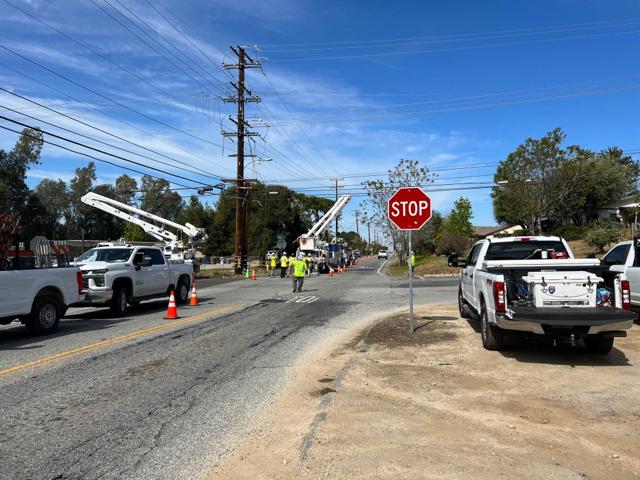
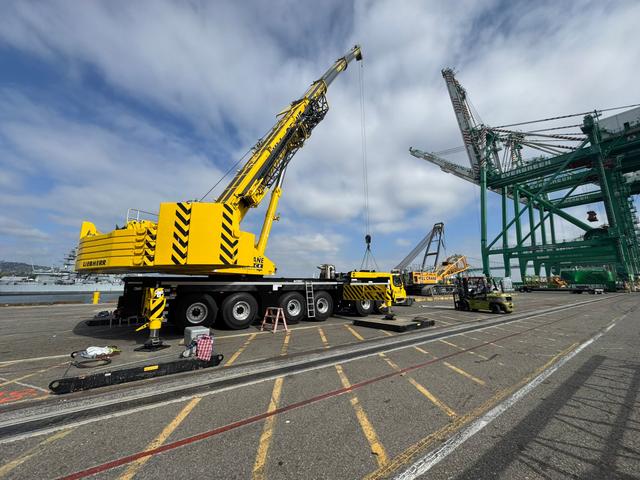
Truck cranes are mounted on a rubber-tired chassis and can be driven directly to a site on public roads, then set up relatively quickly using outriggers for stability. Their main advantage is mobility they get to the site and start working faster than almost any other crane type.
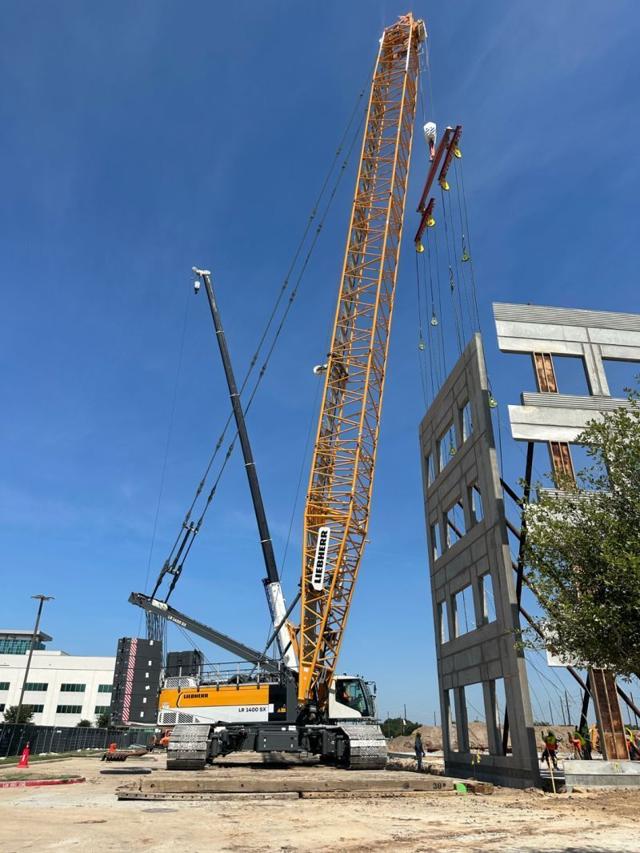
Crawler cranes move on tracks rather than tires, which trades road mobility for exceptional stability on soft, uneven, or unprepared ground. They don't need outriggers, and many crawler cranes can even travel short distances around a site while still carrying a load, something a truck crane generally cannot do safely.
Neither type is universally "better" the right choice depends entirely on the site conditions and the nature of the lift itself.
Ground Conditions Where Crawler Cranes Win
Crawler cranes distribute their weight across long tracks rather than a small number of outrigger pads, which makes them the clear choice on sites with soft, muddy, or uneven ground. Locations like active job sites with unfinished grading, wetland-adjacent projects, or sites recently disturbed by excavation often can't safely support a truck crane's outrigger loads without significant ground preparation.
If ground stability is a known concern before equipment even arrives, it's worth reviewing site conditions against the guidance in why detailed lift planning is essential for heavy lifting projects, since ground bearing capacity is one of the first variables an experienced lift planner checks before recommending a crane type. Skipping this step often means discovering ground issues only after a crane has already been delivered, which can force an expensive last-minute swap.
Setup Time and Site Access: Where Truck Cranes Win
Truck cranes are built for jobs where speed and road access matter most. They can travel highway speeds between sites, require far less setup time, and don't need the specialized transport that crawler cranes typically require to move between locations.
This makes truck cranes the practical choice for:
- Short-duration lifts where a crawler's setup time isn't justified
- Sites with good, prepared ground and easy road access
- Projects requiring the crane to move between multiple nearby locations in a single day
- Urban sites where crawler tracks would be impractical on paved surfaces
For contractors weighing crane types against timeline pressure, this trade-off connects closely to the broader decision-making covered in choosing the right crane and heavy equipment for a given project scope.
Lift Capacity and Reach Considerations
Capacity requirements also factor into the crawler-versus-truck decision, though the relationship isn't as simple as one type always lifting more than the other. Crawler cranes tend to offer higher capacity at a given boom length because their stable base allows for less conservative load charts, while truck cranes often lose capacity as boom angle and radius increase, since their stability depends more heavily on outrigger positioning.
For lifts requiring precise capacity planning at specific radii and boom configurations, our crane lifting capacity guide is a useful reference regardless of which crane type ends up being the right fit, since load charts are specific to each individual machine and configuration.
Mobilization and Transport Costs
Mobilization is one of the most overlooked cost differences between the two crane types. Truck cranes drive to the site under their own power in most cases, which keeps mobilization costs relatively low and predictable. Crawler cranes, by contrast, typically need to be disassembled and transported on specialized trailers, then reassembled on-site a process that can take substantially longer and adds transport cost to the overall project budget.
This is where the logistics of larger lifts start to overlap with modular transport and heavy hauling planning, since moving a crawler crane's components often requires the same kind of route and permit coordination as transporting other oversized equipment.
Site Footprint and Space Requirements
Beyond ground conditions, physical space matters too. Truck cranes need enough clearance to extend outriggers on all sides, which can be a real constraint on tight urban lots or sites crowded with existing structures. Crawler cranes have a smaller footprint relative to their capacity in some configurations, since they don't need the same outrigger spread, though their overall size and the space needed for assembly can still be substantial.
Projects working in constrained urban environments often find that the footprint question, more than raw capacity, ends up being the deciding factor between the two crane types.
Duration of the Job
Short-term lifts moving a single piece of equipment, setting a few structural beams, or a quick same-day job generally favor truck cranes because the setup and mobilization overhead of a crawler crane isn't worth it for a job measured in hours. Longer-duration projects, especially those involving repeated lifts over days or weeks on the same site, can better absorb a crawler crane's setup time, since the crane can remain in position and rack up value across many lifts once it's assembled.
This duration-based thinking pairs well with the broader planning approach described in strategic lift planning for complex crane and industrial projects, where matching equipment to project timeline is treated as a core part of the planning process rather than an afterthought. A crane chosen purely on capacity, without weighing how long it will actually sit on-site, often ends up costing more than one chosen with the full project timeline in mind.
Safety Considerations for Each Crane Type
Safety planning differs slightly between the two crane types because their stability comes from different sources. Truck crane safety depends heavily on proper outrigger deployment and ground bearing verification underneath each pad a mat or cribbing under an outrigger on soft ground can be the difference between a stable lift and a tip-over incident. Crawler crane safety, by contrast, depends more on verifying track ground pressure across the full length of the tracks and confirming the crane is level before any load is picked.
Both crane types also require careful attention to wind conditions, load swing, and rigging integrity, but the specific pre-lift checks differ enough that operators need to be trained and experienced on the specific crane type in use. This is one of the reasons safety protocols matter as much as equipment selection itself a topic covered in more depth in our guide to safety protocols for crane operations.
When Neither Type Is the Right Fit
Occasionally, project conditions point away from both crawler and truck cranes entirely. Extremely tight urban sites with no room for either outrigger spread or crawler track footprint sometimes call for a tower crane instead, particularly on longer-duration vertical construction projects. Sites requiring extended reach with a lighter load may be better served by a telescopic boom configuration than either a heavy crawler or a standard truck crane. Reviewing the full range of available equipment, including options covered in our breakdown of telescopic cranes, helps ensure the crawler-versus-truck decision isn't made in isolation from the rest of the equipment lineup that might actually fit the job better.
Making the Right Call for Your Project
There's no universal answer to the crawler-versus-truck crane question the right choice depends on ground conditions, site access, job duration, and how the lift capacity requirements play out across different boom configurations. What matters most is bringing in an experienced team early enough to evaluate these factors before equipment is booked, rather than discovering a mismatch once the crane is already on-site.
If you're planning a lift and aren't sure which crane type fits your site, our team can walk through your project details and match the right equipment to your specific conditions. Learn more about the full range of options through our overview of professional crane services for construction projects. Getting this decision right before equipment is booked is almost always cheaper and faster than discovering a mismatch once a crane is already sitting on your site.