

Modern construction and industrial projects require more than simply selecting a crane and completing a lift. As projects become larger, heavier, and more complex, successful outcomes increasingly depend on detailed lift planning, coordination, and risk management.
Whether lifting structural steel, industrial equipment, HVAC systems, transformers, or oversized infrastructure components, a well-developed lift plan helps ensure every phase of the operation is executed safely and efficiently. Strategic lift planning minimizes uncertainty, improves communication, and allows project teams to identify potential challenges before they impact schedules or budgets.
Companies such as Hill Crane Service have built their reputation on combining crane rental, rigging expertise, engineered lift planning, heavy equipment moving, and project coordination to support complex lifting operations throughout California and Arizona. Hill Crane provides crane rental, rigging, lift planning, heavy equipment moving, traffic control, and specialized transport services backed by more than 75 years of industry experience.
This article explores why strategic lift planning has become one of the most important components of successful crane operations.
Why Lift Planning Matters More Than Ever
Construction projects today involve tighter schedules, larger loads, stricter safety requirements, and increasingly complex jobsites.
Without proper planning, projects may experience:
- Unexpected delays
- Safety hazards
- Equipment inefficiencies
- Increased labor costs
- Regulatory compliance issues
Lift planning provides a structured process for evaluating project requirements and developing safe, efficient lifting procedures before work begins.
According to Hill Crane, detailed lift plans, engineered drawings, critical lift analysis, and 3D lift simulations help reduce risk and improve execution accuracy.
What Is Strategic Lift Planning?
Strategic lift planning is the process of evaluating all variables associated with a lifting operation before the crane arrives on site.
A comprehensive lift plan typically includes:
- Load specifications
- Crane selection
- Site analysis
- Ground conditions
- Rigging requirements
- Equipment positioning
- Safety procedures
- Communication protocols
- Contingency planning
The objective is to eliminate guesswork and ensure every team member understands their responsibilities before the lift begins.
The Connection Between Planning and Safety
Safety remains the primary reason lift planning is essential.
Every lifting operation introduces risks involving:
- Load stability
- Equipment capacity
- Ground bearing pressures
- Environmental conditions
- Personnel exposure
Poor planning can result in equipment damage, project delays, or serious safety incidents.
Industry discussions frequently emphasize that inadequate rigging plans and undersized equipment selections are among the most common causes of lifting failures.
Strategic planning helps identify these issues before they become problems.
Evaluating Load Characteristics
One of the first steps in lift planning involves understanding the load itself.
Critical factors include:
- Weight
- Dimensions
- Center of gravity
- Structural integrity
- Lifting points
Even minor errors in load calculations can significantly impact crane selection and rigging design.
Accurate load information forms the foundation of every successful lift plan.
Selecting the Right Crane
Choosing the correct crane is one of the most important decisions in the planning process.
Selection depends on:
- Lift radius
- Required capacity
- Site accessibility
- Boom configuration
- Lift height
- Project duration
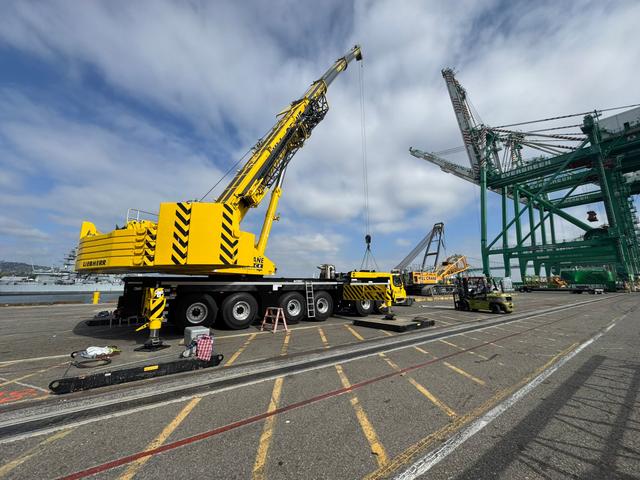
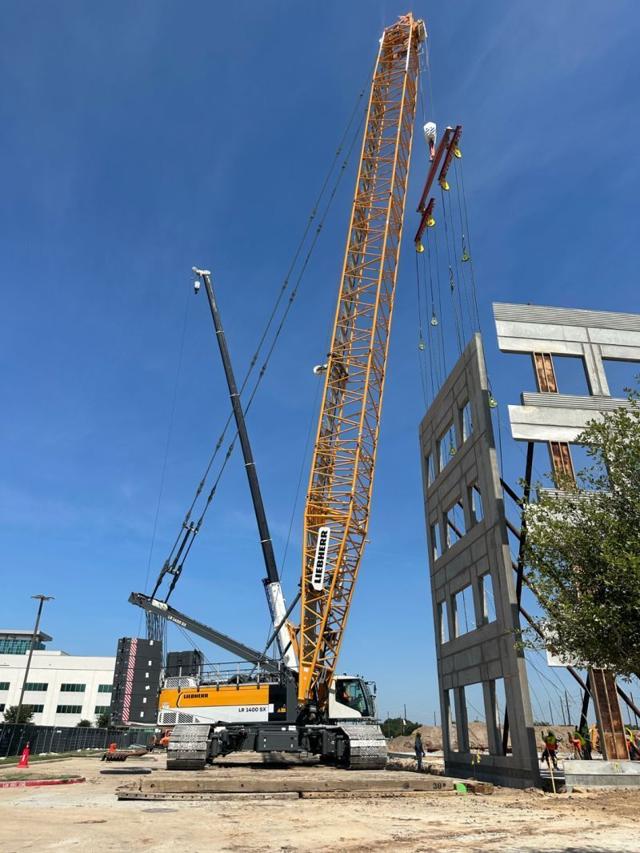
Hill Crane's fleet includes equipment ranging from boom trucks to large crawler cranes, allowing planners to match equipment precisely to project requirements.
Using the wrong crane can create unnecessary risks and increase project costs.
For additional information, contractors can reference choosing-the-right-crane-and-heavy-equipment
Understanding Jobsite Conditions
No two jobsites are identical.
Site evaluations should address:
- Ground stability
- Access routes
- Existing structures
- Utility conflicts
- Traffic patterns
- Environmental conditions
Even highly capable cranes can encounter challenges when site conditions are not fully assessed during planning.
Proper site evaluation improves both safety and operational efficiency.
The Role of Rigging in Lift Planning
Rigging is a critical component of every lifting operation.
Effective rigging plans determine:
- Sling selection
- Load distribution
- Attachment methods
- Stability requirements
- Lift control procedures
Experienced rigging teams play a major role in reducing risk and ensuring load control throughout the lifting process.
For related information, see: Crane rigging heavy lifts
Coordinating Multiple Project Stakeholders
Large projects often involve numerous stakeholders.
These may include:
- General contractors
- Subcontractors
- Engineers
- Equipment suppliers
- Utility representatives
- Safety personnel
Lift planning provides a communication framework that helps coordinate activities and avoid scheduling conflicts.
Clear communication is one of the most effective ways to reduce operational risk.
Using Technology to Improve Lift Planning
Technology has transformed how lift plans are developed and executed.
Modern planning tools include:
- 3D lift simulations
- Digital site models
- CAD engineering support
- Load analysis software
- Equipment monitoring systems
Hill Crane utilizes engineered lift planning and advanced planning resources to support complex lifting projects.
These technologies help identify potential issues before field operations begin.
Managing Critical Lifts
Some lifting operations involve elevated levels of complexity or risk.
Examples include:
- High-value equipment
- Limited access areas
- Multi-crane lifts
- Heavy industrial components
- Sensitive infrastructure
Critical lifts often require additional engineering review, supervision, and documentation.
Strategic planning becomes especially important when dealing with these high-risk operations.
Traffic Control and Site Logistics
Lifting operations often affect surrounding traffic and site access.
Planning considerations may include:
- Road closures
- Equipment staging
- Permit requirements
- Material delivery coordination
- Pedestrian management
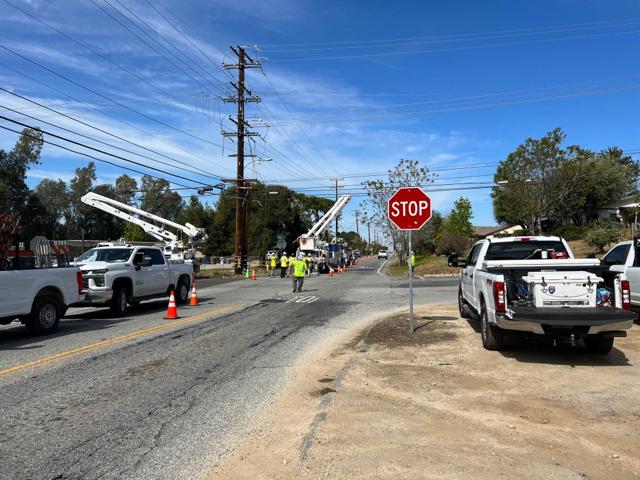
Hill Crane offers traffic control and permitting services as part of its project support capabilities.
Addressing logistics early helps prevent delays and operational disruptions.
Supporting Infrastructure and Industrial Projects
Infrastructure and industrial projects frequently involve oversized loads and highly specialized lifting requirements.
Examples include:
- Utility infrastructure
- Refineries
- Energy facilities
- Manufacturing plants
- Transportation projects
Hill Crane supports industries including electrical infrastructure, structural steel erection, refinery maintenance, aerospace work, and heavy industrial projects.
These projects often require extensive planning to maintain safety and productivity.
Reducing Project Costs Through Better Planning
Many contractors view lift planning primarily as a safety requirement.
However, planning also provides significant financial benefits.
Effective planning helps reduce:
- Equipment idle time
- Labor inefficiencies
- Schedule delays
- Rework expenses
- Emergency problem-solving costs
By identifying challenges early, project teams can make better operational decisions.
Environmental and Weather Considerations
Weather conditions can significantly affect lifting operations.
Planners must consider:
- Wind speeds
- Visibility
- Rainfall
- Extreme temperatures
- Ground saturation
Environmental factors should be incorporated into both lift plans and contingency procedures.
Preparation helps minimize disruptions when conditions change unexpectedly.
Developing Contingency Plans
Unexpected challenges can occur even on well-managed projects.
Common issues include:
- Equipment breakdowns
- Site access changes
- Weather delays
- Load modifications
- Scheduling conflicts
Contingency planning allows teams to respond quickly without compromising safety or project schedules.
Long-Term Benefits of Strategic Lift Planning
Organizations that consistently implement structured lift planning often experience:
- Improved safety performance
- Greater operational efficiency
- Better project predictability
- Reduced downtime
- Stronger client confidence
Over time, these benefits contribute to improved profitability and project success.
For additional insights into crane operations and project coordination, see When to use crane rental
The Future of Lift Planning
The crane industry continues to adopt new technologies that improve planning and execution.
Emerging developments include:
- Enhanced 3D modeling
- Real-time site monitoring
- Digital project coordination
- Advanced load tracking
- Predictive risk analysis
These innovations will continue improving safety and operational efficiency across the construction and industrial sectors.
Conclusion
Strategic lift planning is no longer optional for complex crane operations. It serves as the foundation for safe, efficient, and cost-effective project execution. From crane selection and rigging design to site logistics and stakeholder coordination, every aspect of a lifting operation benefits from thorough planning.
With more than 75 years of experience providing crane rental, rigging, heavy haul, and lift planning services across California and Arizona, Hill Crane Service demonstrates how integrated planning and execution can help contractors manage even the most challenging lifting projects successfully.
As construction and industrial projects continue growing in complexity, strategic lift planning will remain one of the most valuable tools for improving safety, efficiency, and project outcomes.