Construction and industrial projects often involve lifting tasks that go far beyond what standard equipment can handle. From placing steel beams to moving oversized machinery, many jobs require precision, planning, and serious lifting power. This is where crane rental services become essential. Knowing when to bring in a crane can save time, reduce risk, and keep projects moving according to plan.
Hill Crane has supported complex lifting operations for decades across construction, energy, infrastructure, and industrial sectors. With experienced operators and a wide range of crane options, crane rentals offer flexible lifting solutions tailored to real jobsite demands. Understanding when a crane is needed allows project managers to plan smarter and avoid costly delays.
This guide explains when crane rental services are necessary, what types of projects benefit the most, and how professional crane operators improve safety and efficiency on site.
Why Cranes Are Critical on Modern Job Sites
As construction and industrial projects grow in size and complexity, lifting requirements increase. Materials are heavier, structures are taller, and installation tolerances are tighter. Manual lifting or undersized equipment is no longer practical or safe in many situations.
Cranes allow crews to lift and place heavy components accurately, even in confined or elevated areas. They reduce physical strain on workers and help meet safety standards that are mandatory on today’s job sites. Construction crane rental is often the most practical option when lifting needs are temporary or project-specific.
Hill Crane supports a wide range of lifting scenarios by matching the right crane and operator to the job rather than forcing projects to adapt to limited equipment.
Common Construction Scenarios That Require Crane Rental
Many construction tasks simply cannot be completed without crane support. Structural steel erection is one of the most common examples. Steel beams, columns, and trusses require controlled lifting and precise placement that only cranes can provide.
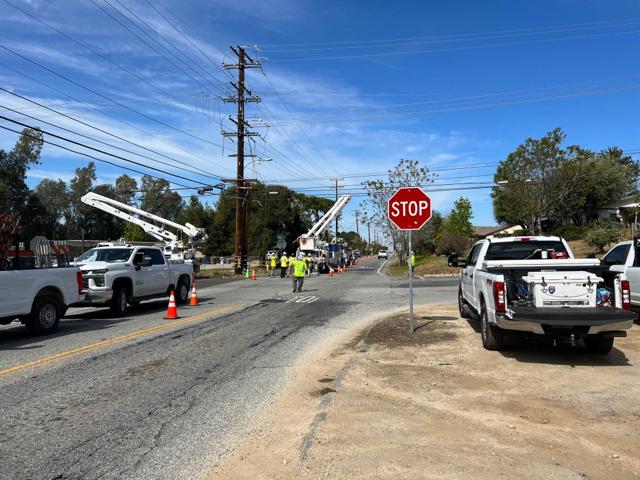
Another frequent scenario is the installation of HVAC units, generators, and rooftop equipment. These components are heavy and often installed at height, making mobile crane rental the safest and most efficient solution.
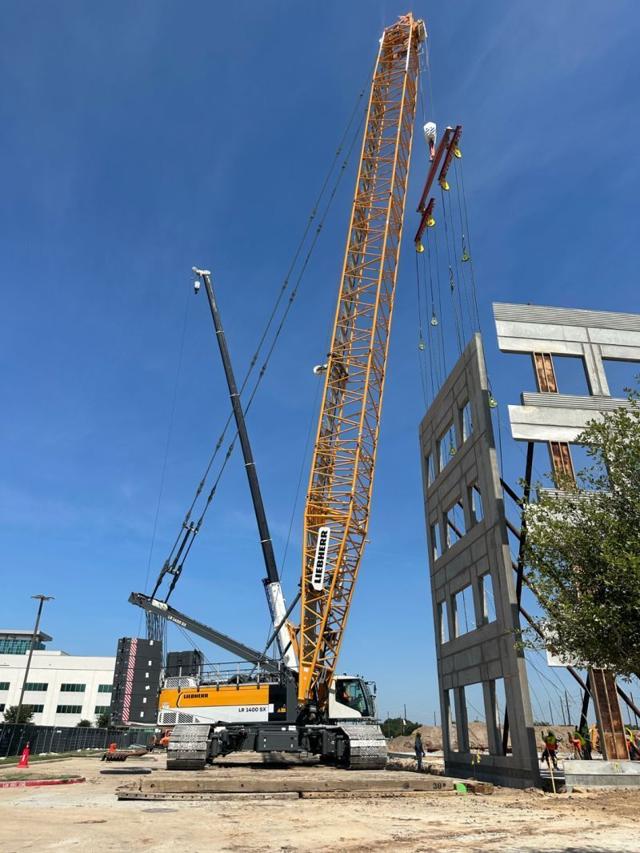
Precast concrete panels, bridge components, and large piping systems also rely on crane services for construction. In these cases, cranes not only lift materials but also help speed up installation and reduce overall labor requirements.
Industrial Projects That Depend on Crane Rental Services
Industrial lifting services are critical in sectors such as energy, manufacturing, and aerospace. These environments often involve oversized equipment, limited access, and strict safety requirements.
Battery energy storage system installations require controlled lifting to position heavy units accurately. Refineries and processing plants rely on crane rentals during shutdowns and turnarounds to remove and install large components quickly.
Nuclear facilities and industrial plants often require detailed lift planning and engineering support. Hill Crane’s experience in complex industrial projects highlights how crane rental services go beyond lifting by offering planning, coordination, and execution expertise.
Mobile Crane Rental and Its Advantages
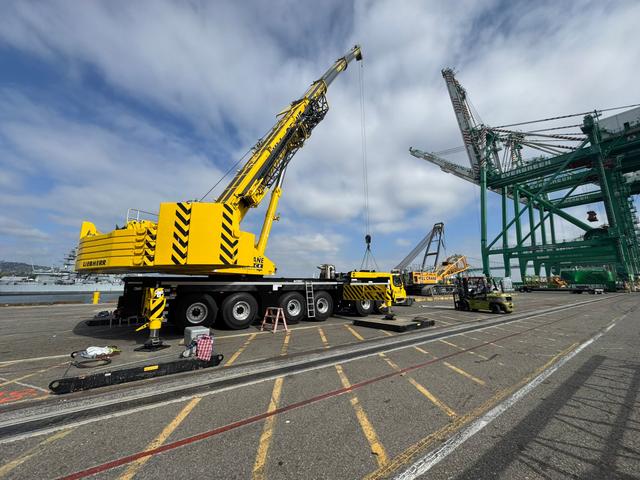
Mobile crane rental offers flexibility that fixed lifting equipment cannot. Mobile cranes can travel between job sites, reposition quickly, and operate in areas with limited space.
This flexibility makes them ideal for short-term projects or sites with changing lift locations. Mobile cranes are commonly used for equipment installation, material loading, and assembly work where adaptability is required.
Selecting the right mobile crane depends on lift capacity, reach, site access, and ground conditions. Professional providers evaluate these factors to ensure the crane selected performs safely and efficiently.
Understanding Crane Types for Construction Projects
Not all cranes serve the same purpose. Choosing the correct crane type is essential for safe operations. Mobile cranes are widely used for their versatility and ease of transport. Crawler cranes offer stability on soft or uneven ground and are often used for heavy-duty lifting.
Tower cranes are commonly seen on high-rise construction projects where height and reach are critical. Each crane type has specific advantages depending on the job requirements.
Hill Crane works with project teams to determine which crane type aligns with the lifting task, site layout, and timeline, ensuring the safest possible operation.
The Role of Professional Crane Operators
Cranes are only as effective as the people operating them. Professional crane operators bring experience, judgment, and technical skill to every lift. Their ability to communicate with ground crews and follow lift plans precisely reduces the risk of accidents.
Certified operators understand load limits, wind conditions, and equipment behavior under different circumstances. Their expertise allows complex lifts to be completed smoothly and safely.
Hill Crane’s operators are trained to handle challenging lifts and work closely with project managers to maintain safety and productivity throughout the job.
Safety Considerations in Crane Rental Services
Crane rental safety is a top priority on construction and industrial job sites. Improper lifting practices can lead to equipment damage, project delays, and serious injuries.
Before any lift begins, site assessments are conducted to evaluate ground stability, overhead obstructions, and access points. Lift plans outline each step of the operation, including load weight, lift path, and safety measures.
Using crane rental services from a trusted provider ensures equipment is inspected, maintained, and operated according to safety standards. This level of preparation protects workers and keeps projects compliant with regulations.
Renting a Crane vs Purchasing One
For most projects, renting a crane makes more sense than purchasing. Crane ownership involves significant upfront costs, ongoing maintenance, storage, and staffing considerations.
Crane rental services provide access to the right equipment for the job without long-term commitments. This flexibility is especially valuable for contractors handling varied project types with different lifting needs.
Renting also allows access to modern equipment and experienced operators without managing training and certification internally. Hill Crane supports clients by offering solutions that fit project timelines and budgets.
Planning Ahead for Crane Use on Job Sites
Effective crane use starts with early planning. Identifying lifting needs during the project planning phase prevents last-minute scheduling issues and ensures the correct equipment is available when needed.
Coordinating crane rental services with other trades helps avoid conflicts and keeps work flowing efficiently. Clear communication between crane operators, site supervisors, and crews is essential for smooth operations.
Hill Crane assists clients by helping plan lifts in advance, reducing downtime and supporting efficient project execution.
Key Takeaways
Crane rental services play a vital role in construction and industrial projects Mobile crane rental offers flexible lifting solutions for changing job sites Industrial lifting services support complex and heavy installations Professional crane operators improve safety and precision Early planning ensures efficient crane use and project success