

Complex lifting operations are among the most demanding tasks in construction, industrial maintenance, infrastructure development, and energy projects. Whether lifting oversized equipment, structural steel, HVAC units, bridge components, or industrial machinery, every critical lift carries significant operational, financial, and safety risks.
Successful projects require far more than simply selecting a crane and beginning the lift. Contractors must carefully evaluate site conditions, equipment requirements, rigging configurations, personnel responsibilities, and contingency plans before any load leaves the ground.
For project managers across California and Arizona, effective risk management is essential for maintaining safety, protecting assets, minimizing delays, and ensuring successful project completion. Companies that prioritize strategic planning and experienced crane partners consistently achieve better outcomes while reducing costly mistakes.
What Is a Critical Lift?
A critical lift generally refers to a lifting operation involving elevated risk due to one or more factors, including:
- High-value equipment
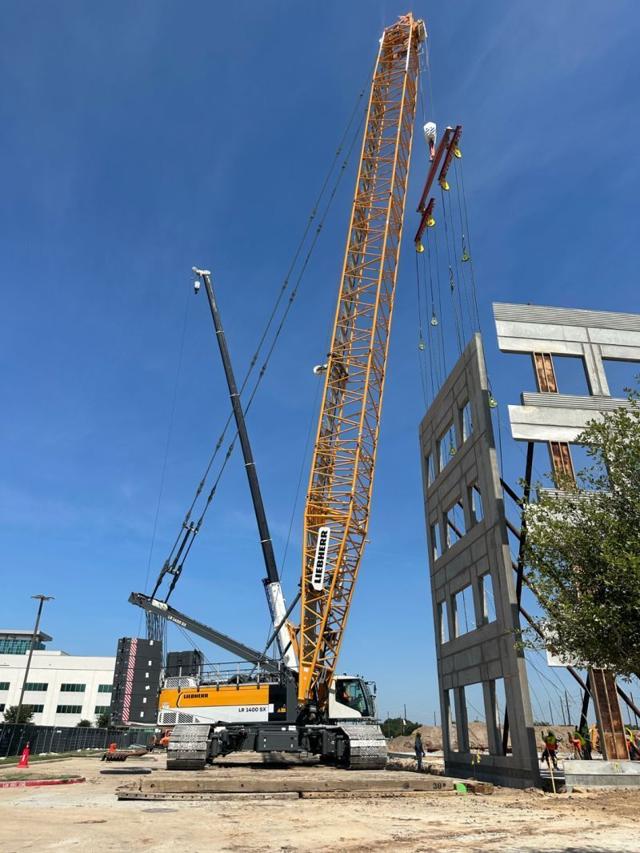
- Heavy or oversized loads
- Restricted jobsite access
- Multiple crane configurations
- Proximity to existing structures
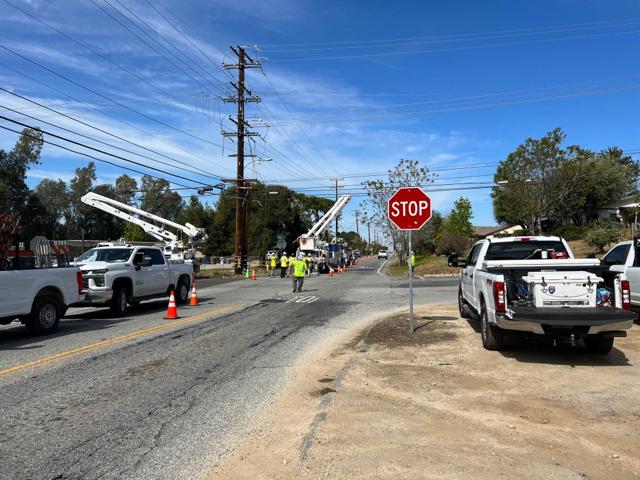
- Utility and power line hazards
- Limited operating clearances
- Complex rigging requirements
- Public safety considerations
These projects require detailed engineering analysis, experienced operators, and comprehensive lift planning.
Organizations involved in large-scale construction frequently rely on professional partners offering comprehensive crane and rigging expertise, as discussed in Hill Crane’s guide to Crane Rental California Rigging Services Complex Lifts .
Why Risk Management Matters in Crane Operations
Every lifting operation involves some level of risk. However, complex lifts significantly increase exposure to:
- Equipment damage
- Worker injury
- Property damage
- Schedule disruptions
- Regulatory violations
- Insurance claims
- Financial losses
A structured risk management process helps identify hazards before they become incidents.
The principles outlined in Hill Crane’s article on Why Detailed Lift Planning Is Essential for Heavy Lifting Projects reinforce the importance of proactive planning before equipment arrives onsite:
Start with Comprehensive Lift Planning
The foundation of every successful critical lift is a detailed lift plan.
Effective lift plans evaluate:
Load Characteristics
Project teams must understand:
- Total load weight
- Center of gravity
- Dimensions
- Structural integrity
- Lifting points
Even small errors in weight calculations can dramatically affect crane performance.
Site Conditions
Ground conditions influence crane stability.
Planners evaluate:
- Soil bearing capacity
- Underground utilities
- Slopes and grades
- Access routes
- Crane setup locations
Projects often benefit from the planning strategies discussed in Strategic Lift Planning Crane Efficiency Safety .
Environmental Conditions
Weather impacts lifting safety significantly.
Key factors include:
- Wind speeds
- Rain
- Visibility
- Temperature extremes
Environmental monitoring should remain active throughout the lift operation.
Selecting the Appropriate Crane
One of the most important risk management decisions involves crane selection.
Different projects require different equipment.
Hydraulic Truck Cranes
Ideal for:
- Fast deployment
- Road-accessible jobsites
- General construction lifts
For many projects, hydraulic truck cranes offer flexibility and efficiency, as explained in Maximize Project Efficiency Hydraulic Truck Crane .
Telescopic Cranes
Suitable for:
- Urban environments
- Variable lifting heights
- Tight access locations
Additional crane selection considerations are covered in Telescopic Cranes .
Specialized Heavy Lift Equipment
Large infrastructure and industrial projects may require:
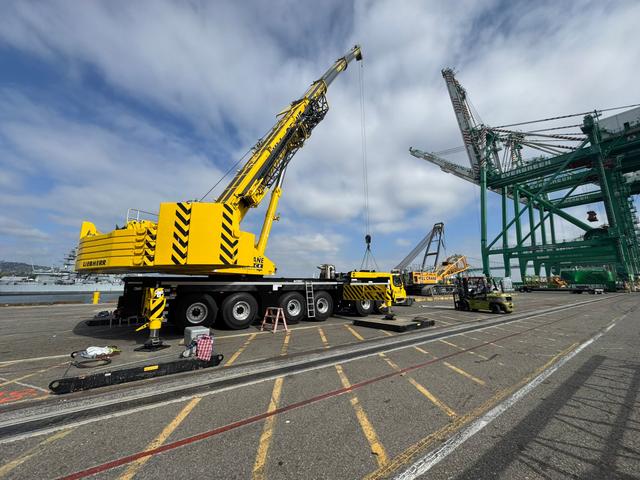
- Multi-crane lifts
- Modular transport systems
- Custom rigging solutions
These specialized scenarios demand extensive engineering support.
Conduct Detailed Risk Assessments
A comprehensive risk assessment identifies potential hazards before operations begin.
Assessment categories typically include:
Equipment Risks
Potential issues include:
- Mechanical failures
- Improper crane configuration
- Insufficient lifting capacity
- Rigging defects
Personnel Risks
Project leaders evaluate:
- Operator qualifications
- Signal person competency
- Communication procedures
- Crew experience levels
Site Risks
Jobsite evaluations examine:
- Traffic patterns
- Pedestrian access
- Utility conflicts
- Structural obstacles
The planning methods highlighted in Choosing the Right Crane Service 2026 support more effective risk identification and mitigation.
Rigging Plays a Critical Role in Safety
Even the best crane cannot compensate for poor rigging practices.
Proper rigging involves:
- Sling selection
- Shackle inspection
- Load balancing
- Connection point verification
- Rigging angle calculations
Professional rigging teams reduce uncertainty and improve overall lift control. Contractors can learn more from Hill Crane’s article on Crane Rigging Heavy Lifts
Establish Clear Communication Protocols
Communication failures are a leading contributor to crane incidents.
Every critical lift should establish:
Designated Signal Personnel
Only authorized personnel should communicate movement instructions.
Radio Communication Systems
Reliable communication equipment improves coordination when visual contact is limited.
Emergency Procedures
All team members should understand:
- Stop-work procedures
- Emergency shutdown protocols
- Incident reporting requirements
Strong communication supports the project coordination principles discussed in How Crane Services Improve Project Coordination Efficiency
Managing Multi-Crane Lift Operations
Some projects require multiple cranes working together.
These lifts introduce additional complexity due to:
- Load sharing calculations
- Synchronization requirements
- Dynamic load movement
- Increased communication demands
Risk reduction strategies include:
- Detailed engineering reviews
- Load simulations
- Pre-lift rehearsals
- Continuous monitoring
Experienced providers offering integrated services can significantly simplify these operations.Additional insights are available in How One-Stop Heavy Lift Services Reduce Project Delays Cost Overruns .
Ground Conditions and Crane Stability
Ground failure remains one of the most serious crane hazards.
Before setup, crews should evaluate:
Soil Strength
Weak or unstable ground may require:
- Crane mats
- Engineered support systems
- Alternative setup locations
Underground Hazards
Unknown underground conditions can compromise crane stability.
Potential concerns include:
- Utility corridors
- Storm drains
- Tunnels
- Recently backfilled excavations
Pre-lift site assessments help identify and address these risks.
Managing Schedule Risks During Heavy Lifts
Project delays frequently result from poor lift coordination.
Common causes include:
- Equipment availability issues
- Incomplete engineering reviews
- Weather interruptions
- Permit delays
- Site readiness problems
Strategic scheduling can reduce downtime and improve project performance.
Project managers may benefit from the planning concepts outlined in Efficient Crane Lift Execution Project Performance .
The Importance of Qualified Lift Partners
Choosing the right crane partner directly impacts project outcomes.
Key evaluation criteria include:
- Fleet capabilities
- Rigging expertise
- Safety record
- Engineering support
- Project experience
- Geographic coverage
Organizations handling large-scale projects often benefit from providers offering both crane and rigging services throughout the Southwest.Related insights can be found in Expert Crane Rentals and Rigging Services Across California and Arizona And Hill Crane Crane Rigging California Arizona
Technology Is Improving Lift Risk Management
Modern technology continues to improve crane safety and project planning.
Examples include:
- Load monitoring systems
- Real-time telemetry
- Digital lift plans
- Site modeling software
- GPS positioning
- Advanced crane diagnostics
Technology helps crews identify potential issues before they become operational problems.
These innovations align with the trends discussed in How Hill Crane Is Shaping the Future of Heavy Lifting in the Southwest .
Best Practices for Critical Lift Success
Organizations can improve outcomes by following several proven strategies:
- Conduct detailed pre-lift meetings
- Verify crane capacities carefully
- Use qualified rigging professionals
- Inspect equipment thoroughly
- Monitor weather continuously
- Establish clear communication channels
- Develop contingency plans
- Perform final lift plan reviews before execution
Combining these practices significantly reduces project risk while improving productivity.
Conclusion
Critical lift operations require a disciplined approach to risk management, planning, communication, and execution. From crane selection and rigging design to site evaluation and operational oversight, every detail contributes to project success.
Organizations operating throughout California and Arizona can improve safety, reduce delays, and protect valuable assets by partnering with experienced crane professionals and implementing comprehensive lift management strategies. With proper planning and execution, even the most complex heavy lifting projects can be completed safely, efficiently, and on schedule.