Selecting the right crane service is one of the most important decisions you will make when planning a construction or industrial project. The success and safety of your job depend on choosing a provider with the right equipment, expertise, and planning support. Hill Crane Service Inc, serving California and Arizona for more than seventy five years, has become a trusted name for projects that require precision and dependable lifting operations.
Whether you need heavy lifting crane hire, mobile crane service, or specialized industrial crane rental, the goal is always the same. You want the right crane, the right operator, and a team that understands the demands of your project. With proper planning and a knowledgeable provider, every lift becomes predictable, safe, and efficient.
Before you choose a crane company, understanding how crane rental works, how different crane types are used, and what factors affect cost and safety will guide you toward the right choice.
Why Crane Rental Services Matter for Modern Projects
Crane rental services play a central role in construction and industrial work. As buildings become taller, infrastructure grows more complex, and industrial maintenance tasks become more demanding, the need for specialized lifting equipment increases. Crane rental allows companies to access advanced equipment without the cost of ownership.
In the past, crane operations were limited to simple vertical lifting. Today, cranes come with advanced controls, adjustable booms, mobility features, and safety systems that allow for precise work in tight or hazardous environments. Hill Crane has expanded with these changes, offering a full fleet of modern cranes and skilled operators who understand strict safety and rigging requirements.
When choosing a crane service, it is also important to understand crane hire cost factors. Rates differ based on crane size, lifting capacity, job complexity, travel distance, and the number of personnel required. Working with a reputable provider ensures that every cost is clear and justified by expertise and reliability.
As crane technology continues to evolve, selecting the right crane for your project becomes more important than ever.
How to Evaluate Crane Options for Your Project
Choosing between crane types depends on several factors. Each crane performs different tasks and offers its own strengths, so understanding their differences will help you avoid delays, safety risks, and unnecessary costs.
Mobile Cranes
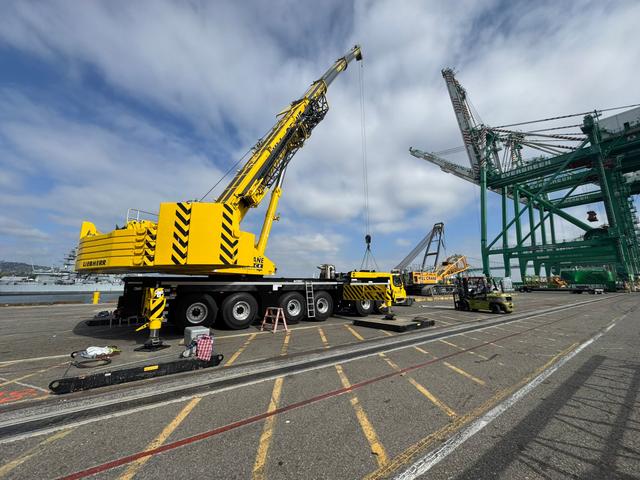
Mobile cranes are used across construction, manufacturing, and infrastructure projects. They can move easily from one job site to another and are ideal for projects that require flexibility. With adjustable boom lengths and powerful lifting capacity, mobile cranes are often the first choice for most general lifting tasks.
Tower Cranes
Tower cranes are the preferred option for tall structures. They can reach significant heights and lift heavy materials with stability. While they require more setup, they provide unmatched vertical reach. Comparing tower crane vs mobile crane options often depends on the height of the structure and how long the crane will be needed on site.
Industrial Cranes
Industrial crane rental is essential for maintenance environments such as refineries, manufacturing plants, aerospace facilities, and power plants. These projects often involve tight spaces, sensitive equipment, and precise rigging needs. Hill Crane provides industrial maintenance support with equipment and teams experienced in critical operations.
Specialized Heavy Lifting Cranes
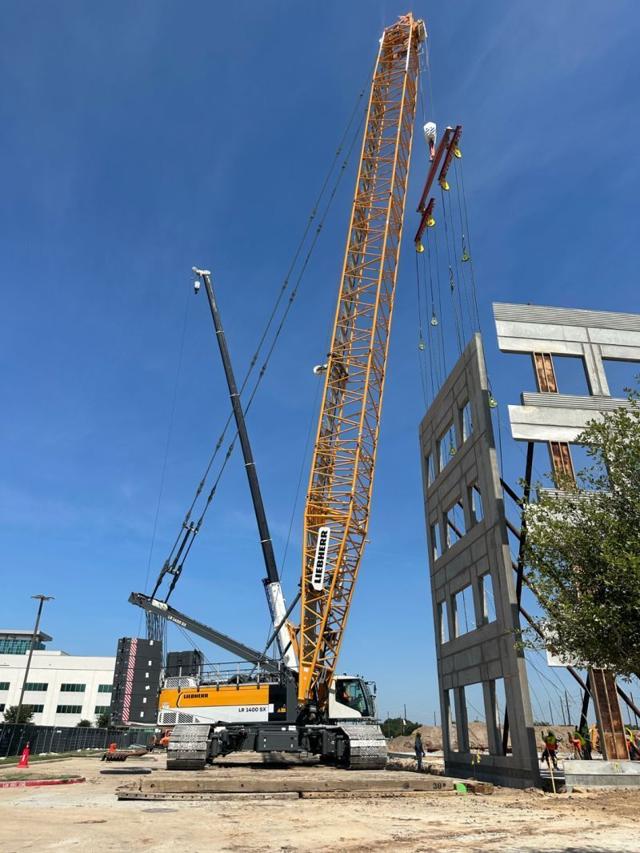
Some projects require cranes built for extreme weight, oversized components, or unique angles. Heavy lifting crane hire ensures that large turbines, concrete panels, steel beams, or industrial machinery can be positioned safely and accurately.
Making the right choice begins with evaluating load weight, reach requirements, site access, and environmental factors such as weather or ground conditions.
Crane Safety and Rigging Essentials
Safety is one of the most important factors in crane operations. Poor planning, incorrect rigging, or improper crane selection can cause delays, property damage, or safety risks. Hill Crane places strong emphasis on crane safety and rigging for every project.
Proper rigging ensures that loads are balanced, secure, and lifted with stability. Skilled riggers understand lift points, sling types, center of gravity, load distribution, and angle effects. Without proper rigging, even the best crane cannot perform safely.
Experienced operators also play a critical role. Certified crane operators understand operational limits, equipment capabilities, and safe lifting practices. This experience is especially important for heavy lifting or projects with limited space or challenging conditions.
When evaluating crane companies, always ask about their safety record, training standards, certifications, and rigging procedures. A company committed to safety will prevent unnecessary risks and ensure your project remains on schedule.
Project Crane Planning and Cost Factors
Good planning is the foundation of successful crane operations. Before equipment ever arrives on site, project crane planning determines how each lift will be executed. This includes lift diagrams, equipment positioning, traffic flow, site hazards, and weather considerations.
Hill Crane uses in house CAD planning to map out complex lifts with exact measurements and loading calculations. This allows project managers to see how each lift will work before it happens, reducing last minute surprises.
Crane hire cost can vary depending on several elements. Here are the most common factors:
- Crane size and capacity
- Duration of rental
- Travel distance and mobilization
- Operator and rigging crew
- Fuel and onsite conditions
- Permit requirements for public roads
- Complexity of the lift plan
Understanding these factors helps you evaluate quotes accurately and choose the crane that fits both your project and budget.
Examples of Crane Services in Action
Crane services support a wide range of industries. Here are a few practical examples of how cranes are used every day.
Construction
From steel erection to rooftop HVAC placement, cranes handle loads that cannot be lifted by any other means. A mobile crane often completes lifts in a matter of minutes that would take hours using manual labor.
Industrial Maintenance
Manufacturing plants, refineries, and processing facilities require cranes to move heavy machinery during shutdowns or scheduled maintenance. Precision and safety are incredibly important in these environments.
Infrastructure
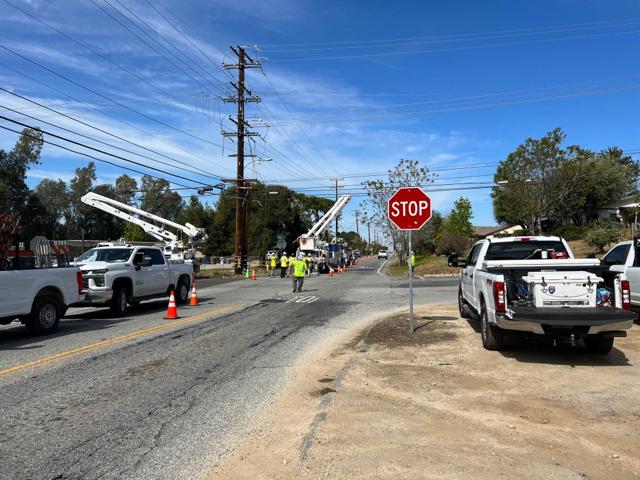
Bridges, cell towers, power lines, utility stations, and rail systems often rely on cranes to install or replace components that are heavy and difficult to access.
Aerospace and Defense
These industries require careful handling of oversized or sensitive components. Hill Crane supports these demanding projects with specialized equipment and careful planning.
No matter the industry, choosing the right crane service ensures that work is completed safely and efficiently.
The Takeaway
Choosing the right crane service is an investment in your project’s success. With experienced operators, advanced equipment, and strong safety practices, Hill Crane provides dependable solutions for construction, industrial maintenance, and large scale lifting needs. Their planning support, clear communication, and technical expertise help your project stay on track from the first lift to the final placement.
When you partner with a trusted crane provider, you gain confidence that every lift will be handled with precision and care. With Hill Crane, your project is supported by decades of experience and a commitment to excellence.