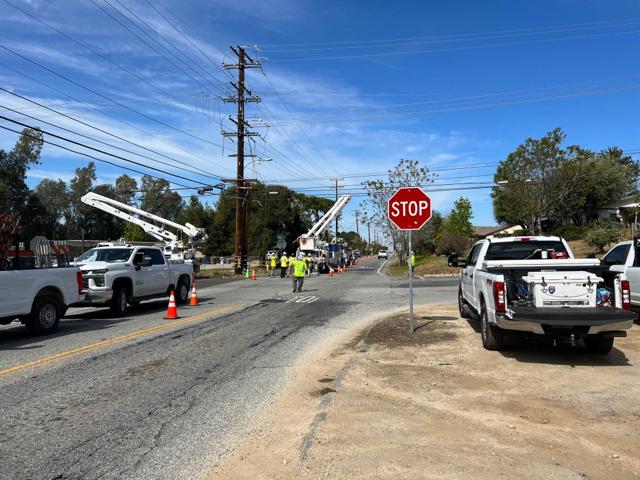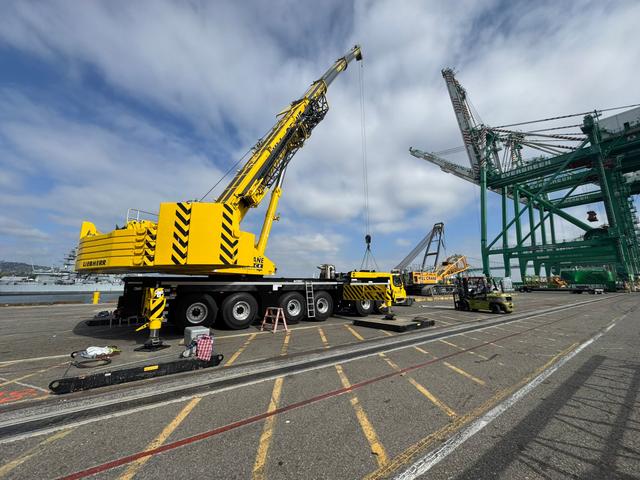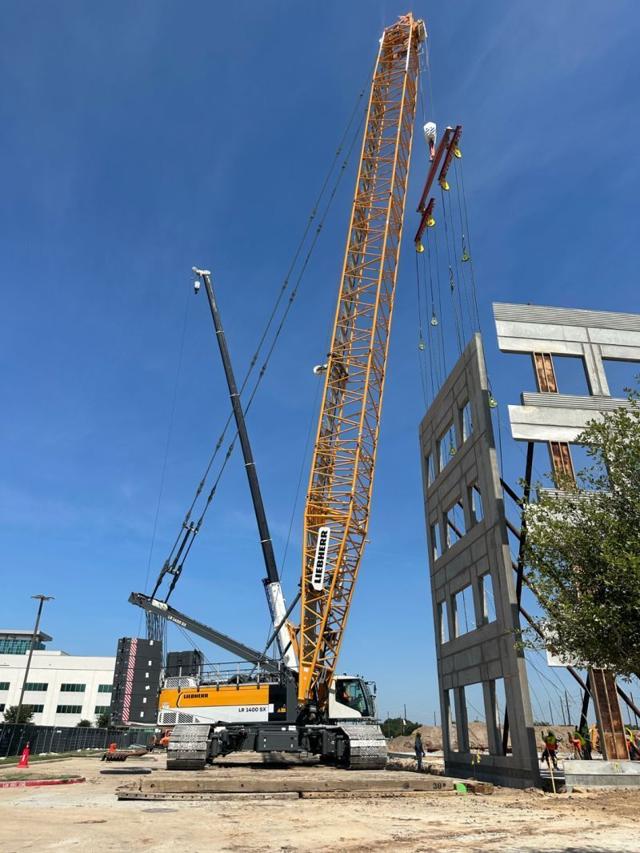


Crane operations are often seen as isolated events within construction projects moments where heavy lifting is required and specialized equipment is brought in to complete a task. In reality, crane lifts are rarely isolated. They are critical points within a larger project system, and their success depends heavily on planning, coordination, and execution strategy.
A poorly planned lift can delay an entire project. A well-planned one can accelerate progress, improve safety, and reduce costs. That’s why modern construction teams are shifting from reactive crane usage to strategic lift planning.But strategic lift planning goes further; it focuses on how crane operations integrate into the entire project lifecycle.
Crane Lifts Are Critical Path Activities
In most construction projects, crane operations sit directly on the critical path—meaning any delay in lifting operations can halt progress across multiple teams.
Examples include:
- Steel erection
- Equipment placement
- Structural installations
- Material handling at height
If a lift is delayed:
- Crews may remain idle
- Equipment scheduling becomes disrupted
- Project timelines extend
This is why crane planning must be treated as a priority, not an afterthought.
The Difference Between Basic Planning and Strategic Planning
Basic lift planning focuses on:
- Equipment selection
- Load weight
- Lift radius
Strategic lift planning includes:
- Workflow integration
- Site logistics
- Crew coordination
- Risk management
- Contingency planning
The difference is significant strategic planning ensures that crane operations enhance the entire project rather than simply completing a task.
Site Conditions Shape Every Lift Decision
No two job sites are the same. Site conditions directly influence crane selection, positioning, and execution.
Key factors include:
- Ground stability
- Access points
- Obstructions
- Space limitations
- Environmental conditions
Ignoring these factors leads to inefficiencies or safety risks.
This is why site evaluation is always a critical first step in successful crane operations.
Timing Is Everything in Crane Operations
One of the most common causes of inefficiency is poor timing.
Crane operations must align with:
- Material delivery schedules
- Crew availability
- Weather conditions
- Project sequencing
If a crane arrives too early, it sits idle. If it arrives too late, it delays progress.
Strategic timing ensures:
- Maximum utilization
- Minimal downtime
- Smooth workflow transitions
Coordination Between Teams Is Essential
Crane operations involve multiple teams working together:
- Crane operators
- Rigging specialists
- Ground crews
- Site supervisors
Without proper coordination:
- Communication breakdowns occur
- Safety risks increase
- Lifts take longer than expected
Effective communication ensures every team member understands:
- Their role
- Timing of the lift
- Safety procedures
This level of coordination is essential for complex lifting scenarios.
Multi-Service Integration Reduces Complexity
Projects that rely on multiple service providers often face coordination challenges.
Using integrated lift services simplifies operations by:
- Reducing communication gaps
- Streamlining scheduling
- Improving accountability
This approach is explored further in multi-service lift partners reduce project complexity
Integration leads to smoother execution and fewer delays.
Risk Management Is Built Into Lift Planning
Every crane operation carries inherent risks, but these risks can be minimized through planning.
Common risks include:
- Load instability
- Equipment failure
- Environmental factors
- Human error
Strategic planning reduces these risks by:
- Conducting pre-lift assessments
- Using proper rigging techniques
- Implementing safety protocols
- Preparing contingency plans
Safety is not separate from planning—it is part of it.
Weather and Environmental Factors Cannot Be Ignored
Crane operations are highly sensitive to environmental conditions.
Factors such as:
- Wind speed
- Rain
- Temperature
- Visibility
can significantly impact lift safety and efficiency.
Planning must include:
- Weather monitoring
- Flexible scheduling
- Backup plans
Ignoring environmental factors can lead to unsafe conditions or costly delays.
Equipment Positioning Impacts Efficiency
Where a crane is positioned on-site affects:
- Lift radius
- Load capacity
- Efficiency of movement
Poor positioning leads to:
- Longer lift times
- Increased strain on equipment
- Higher operational risk
Proper positioning ensures:
- Optimal performance
- Faster lifts
- Reduced wear on machinery
Complex Lifts Require Advanced Planning
Not all lifts are straightforward. Complex lifts involve:
- Heavy loads
- Tight spaces
- High precision
- Multiple lift points
These scenarios require:
- Detailed engineering analysis
- Specialized rigging
- Experienced operators
More on complex lift execution can be found here crane rental California rigging services for complex lifts
Downtime During Lifts Is Costly
Crane downtime is one of the most expensive inefficiencies on a job site.
Causes of downtime include:
- Poor planning
- Equipment issues
- Miscommunication
- Weather delays
Every minute a crane is idle costs money.
Strategic planning minimizes downtime by ensuring everything is ready before the lift begins.
Lift Planning Improves Overall Project Flow
When crane operations are planned effectively, they improve the entire project workflow.
Benefits include:
- Faster task completion
- Better coordination between trades
- Reduced bottlenecks
- Improved timeline predictability
Crane efficiency directly impacts project success.
The Role of Experience in Lift Execution
Experience plays a major role in successful crane operations.
Experienced teams:
- Anticipate challenges
- Adjust quickly to changes
- Execute lifts efficiently
- Maintain safety standards
This is especially important in large-scale or high-risk projects.
Strategic Planning Supports Cost Control
Efficient crane operations help control costs by:
- Reducing rental time
- Minimizing delays
- Preventing rework
- Improving resource utilization
Cost efficiency is achieved through planning not just equipment selection.
Why Local Expertise Matters
Local crane providers understand:
- Regional regulations
- Environmental conditions
- Site-specific challenges
This knowledge improves planning accuracy and execution efficiency.
For example crane rental services in California and Arizona
Local expertise reduces uncertainty and improves reliability.
Final Thoughts
Crane operations are not just about lifting heavy loads—they are about executing critical project moments with precision, safety, and efficiency.
Strategic lift planning transforms crane usage from a reactive task into a proactive system that supports the entire construction process.
By focusing on:
- Workflow integration
- Team coordination
- Risk management
- Timing and logistics
- Site-specific planning
contractors can ensure that every lift contributes to overall project success.
In today’s complex construction environment, the difference between delays and efficiency often comes down to one thing: how well the lift was planned before it ever began.