Large construction and utility projects rarely fail because of a single lift. More often, delays and cost overruns happen because too many moving parts are handled by too many vendors. Cranes come from one company, hauling from another, traffic control from a third, and permitting from someone else entirely. Each handoff adds friction, risk, and miscommunication.
This is why contractors often rely on crane rental and rigging providers that can coordinate multiple services under one operation. Companies like Hill Crane Service bring together lifting equipment, transport coordination, and field expertise to simplify project execution. When crane operations, hauling logistics, and rigging support are managed through one provider, project teams spend less time managing vendors and more time focusing on construction progress.
This is where multi-service lift partners change the equation. Instead of managing separate providers for every phase of a heavy lift, contractors and utilities work with one coordinated team that handles everything from planning to execution. The result is fewer delays, clearer accountability, and smoother project delivery.
For projects involving complex lifts, tight schedules, or public infrastructure, this approach is becoming less of a convenience and more of a necessity. In major project hubs such as Hill Crane Long Beach, integrated lifting operations allow contractors to combine heavy lift crane hire, transport coordination, and specialized rigging under one experienced team.
The Hidden Complexity Behind Heavy Lift Projects
At first glance, a heavy lift may look straightforward. A crane arrives, a load is lifted, and the job moves forward. In reality, every lift sits inside a web of dependencies that must align perfectly.
Before a crane ever reaches the jobsite, decisions must be made about access routes, ground conditions, load paths, traffic impacts, and permit requirements. Experienced teams such as Hill Crane and Rigging coordinate these elements early in the planning stage to prevent delays once lifting operations begin.
If hauling schedules change or traffic plans are delayed, the lift itself can grind to a halt. This is why many contractors choose an experienced rigging contractor Los Angeles or regional provider like Hill Crane Service Long Beach to manage lifting logistics and ensure that crane mobilization, rigging preparation, and site readiness remain synchronized.
For developers and infrastructure planners who hire lift developers and engineering teams to manage large construction phases, partnering with a coordinated crane rental rigging provider ensures the lifting operation stays aligned with overall project timelines.
Many of these issues are discussed in general terms in resources like crane and rigging tips for California projects, but when each service is handled by a different vendor, coordination becomes the contractor’s burden.
A multi-service lift partner removes that burden by managing these variables under one operational plan.
One Point of Accountability Changes Everything
When multiple vendors are involved, accountability becomes fragmented. If a delay happens, it’s often unclear who owns the problem. Was it the hauling company, the crane provider, or the permitting delay? Each party may point elsewhere.
With a multi-service lift partner, responsibility is centralized. Planning, scheduling, and execution fall under one team that understands how each service affects the others. This single point of accountability simplifies communication and decision-making, especially when adjustments are needed in real time.
For contractors managing multiple trades and tight deadlines, this clarity can be the difference between staying on schedule and falling behind.
Integrated Planning Reduces Risk Before Equipment Arrives
Successful heavy lifts are won or lost during planning. Load sequencing, crane positioning, haul routes, and traffic control must all be designed together, not in isolation.
When crane services are planned separately from hauling or permitting, conflicts often emerge late in the process. A haul route may not support the required crane setup, or traffic restrictions may limit access during critical lift windows.
By contrast, multi-service lift partners approach planning as a unified process. Their teams assess the full scope of work from the start, ensuring that cranes, hauling equipment, traffic control, and permits align from day one.
This integrated mindset builds on the same strategic thinking outlined in choosing the right crane service for complex projects, but expands it across every service involved in the lift.
Fewer Vendors Mean Fewer Delays
Every additional vendor adds another schedule to manage, another contract to coordinate, and another potential delay point. Even small misalignments can cascade into significant downtime when heavy equipment is involved.
Multi-service lift partners reduce this risk by streamlining the workflow. Equipment mobilization, crew scheduling, and site access are coordinated internally, allowing teams to adapt quickly when conditions change.
This efficiency is especially valuable for utility work, where outages, public safety considerations, and regulatory timelines leave little room for error.
Traffic Control and Permitting Are No Longer Afterthoughts
Traffic control and permitting are often treated as secondary tasks, yet they frequently cause the most unexpected delays. Municipal approvals, lane closures, and public notifications require experience and local knowledge.
When these services are outsourced separately, they may not be fully integrated into the lift schedule. A permit delay can leave a crane and crew idle, driving up costs.
A multi-service lift partner handles traffic control and permitting as part of the core project scope. Because these elements are planned alongside crane operations and hauling, they are aligned with lift dates and site conditions.
This approach complements the logistical insights discussed in crane rental services across California and Arizona, while extending beyond equipment availability into real-world execution.
Safer Jobsites Through Unified Execution
Safety improves when everyone works under the same plan. Mixed vendors often follow different procedures, communication styles, and safety protocols. While each may be competent individually, inconsistency increases risk.
Multi-service lift partners operate with shared safety standards, trained crews, and unified supervision. Lift plans, traffic control measures, and haul operations are coordinated to minimize exposure and confusion on site.
This level of control supports the high safety expectations described in Hill Crane’s crane and rigging services in California and Arizona and helps maintain strong safety records across complex projects.
Better Outcomes for Utility Infrastructure Projects
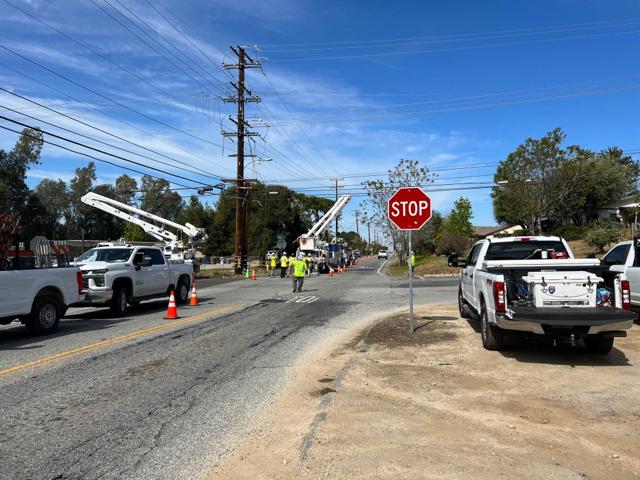
Utilities face unique challenges. Work often happens near live systems, in public rights-of-way, and under strict regulatory oversight. Delays can impact communities, not just project budgets.
Multi-service lift partners bring structure to these environments by coordinating every moving part. Cranes, hauling, traffic control, and permits are managed together, reducing disruptions and improving predictability.
This is particularly valuable for projects similar in scope to those discussed in crane rentals supporting infrastructure and utility work, where coordination is as critical as lifting capacity.
Reduced Administrative Burden for Contractors
Beyond the jobsite, contractors benefit from simpler administration. Fewer vendors mean fewer contracts, fewer invoices, and fewer coordination meetings. Project managers can focus on progress rather than logistics.
This streamlined approach also improves reporting and documentation. When one partner manages the lift scope, records are consolidated and easier to track, which is especially helpful for regulated projects.
Adaptability When Conditions Change
No project goes exactly as planned. Weather shifts, site conditions evolve, and schedules change. When services are fragmented, adapting requires renegotiation across multiple vendors.
Multi-service lift partners can respond faster because they control the full operation. Adjustments to crane selection, haul timing, or traffic plans can be made internally, keeping the project moving forward.
This flexibility builds on operational experience gained from complex moves like those outlined in modular transport and heavy hauling operations.
Why Contractors and Utilities Are Moving Toward One-Stop Lift Partners
As projects grow more complex and timelines tighter, the industry is shifting away from fragmented service models. Contractors and utilities increasingly recognize that coordination is just as important as equipment capacity.
Multi-service lift partners reduce complexity by:
- Centralizing planning and accountability
- Aligning cranes, hauling, traffic control, and permitting
- Improving safety through unified execution
- Reducing delays caused by miscommunication
- Simplifying project management and administration
These advantages make a measurable difference on large-scale and high-risk projects.
Choosing the Right Multi-Service Lift Partner
Not all providers offer true integration. Contractors should look for partners with proven experience, a broad service offering, trained crews, and a strong safety record. Regional knowledge and the ability to manage permitting and traffic control are equally important.
Companies that combine these capabilities under one roof offer a clear advantage when complexity is high and margins for error are low.
To learn more about working with a trusted heavy lift partner serving California and Arizona, visit the Hill Crane Service homepage and explore how a one-stop approach can simplify your next project.