

In construction, industrial projects, and infrastructure development, lifting operations are among the most critical and high-risk activities. Whether it’s placing steel beams, installing heavy machinery, or executing multi-phase lifts, success depends heavily on proper planning and execution.
Strategic crane planning goes beyond simply selecting a crane it involves detailed coordination, load analysis, site preparation, and experienced rigging. Without a structured approach, projects can face delays, safety risks, and increased costs.
Companies like Hill Crane specialize in providing comprehensive lifting solutions, ensuring that every phase of the project is executed with precision and efficiency.
What Is Strategic Crane Planning?
Strategic crane planning is a systematic approach to organizing and executing lifting operations. It involves evaluating project requirements, selecting the appropriate equipment, and coordinating all aspects of the lift.
This process includes:
- Load calculations and weight distribution
- Crane selection and positioning
- Rigging configuration
- Site accessibility and ground conditions
- Safety protocols and compliance
Understanding these elements is essential for managing complex lifts effectively.
Why Crane Planning Is Critical for Complex Projects
1. Enhances Safety on the Jobsite
Lifting heavy loads involves significant risks, including equipment failure, load instability, and environmental factors.
Proper planning minimizes these risks by ensuring that:
- The correct crane is used
- Loads are balanced and secured
- Operators follow established safety procedures
Following expert recommendations such as crane and rigging tips in CA helps maintain safe operations.
2. Reduces Project Delays
Unexpected issues during lifting operations can cause significant delays. Strategic planning identifies potential challenges in advance, allowing teams to address them proactively.
Working with experienced providers offering crane rental in California with rigging services for complex lifts ensures smooth execution.
3. Improves Operational Efficiency
Efficient crane planning optimizes resource usage, reduces downtime, and ensures that each lift is completed quickly and accurately.
Key Elements of Effective Crane Planning
Load Analysis and Weight Calculations
Understanding the exact weight and dimensions of the load is the first step in planning any lift. This information determines:
- Crane capacity requirements
- Rigging configurations
- Safety margins
Selecting the Right Crane
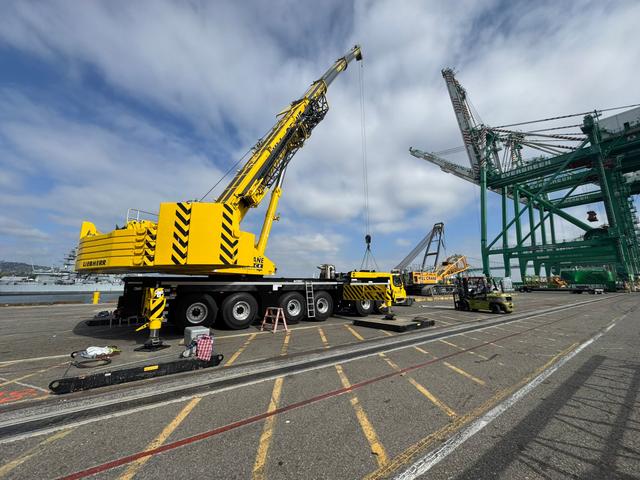
Different cranes are designed for different applications. Choosing the right equipment is critical for efficiency and safety.
For guidance, reviewing choosing the right crane and heavy equipment can help contractors make informed decisions.
Rigging and Lifting Techniques
Proper rigging ensures that loads are secure and balanced during lifting operations.
Understanding crane rigging for heavy lifts is essential for handling complex projects.
Site Assessment and Preparation
Every jobsite presents unique challenges, including:
- Limited space
- Uneven ground conditions
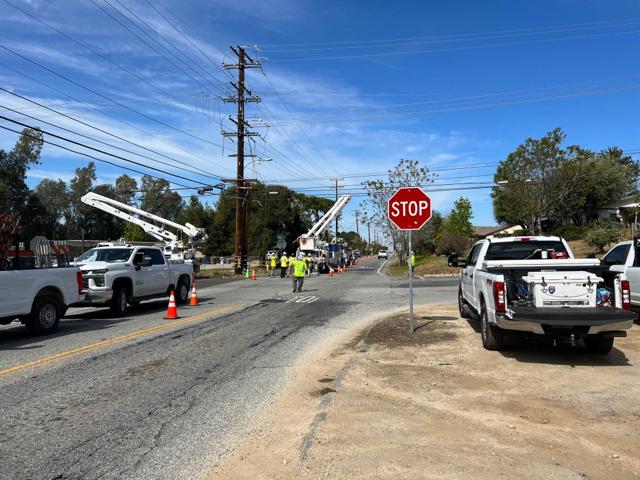
- Obstacles such as buildings or power lines
A thorough site assessment ensures that the crane is positioned correctly and operates safely.
The Role of Multi-Service Lift Partners
Complex projects often require coordination between multiple service providers. Working with a single partner that offers integrated solutions can simplify operations significantly.
Benefits include:
- Streamlined communication
- Reduced coordination errors
- Faster project execution
As explained in multi-service lift partners reduce project complexity, having a unified approach improves overall efficiency.
Crane Rental vs Ownership for Large Projects
Advantages of Renting Cranes
- Access to specialized equipment
- Lower upfront costs
- No maintenance responsibilities
- Flexibility for different project needs
Contractors can explore options like crane rental in California to meet specific project requirements.
When Ownership May Be Suitable
- Frequent use of the same equipment
- Long-term projects
- Stable operational demands
However, for most complex projects, renting provides greater flexibility and cost efficiency.
Common Challenges in Complex Lifting Projects
Limited Space and Accessibility
Urban construction sites often have restricted space, making crane positioning challenging.
Heavy and Irregular Loads
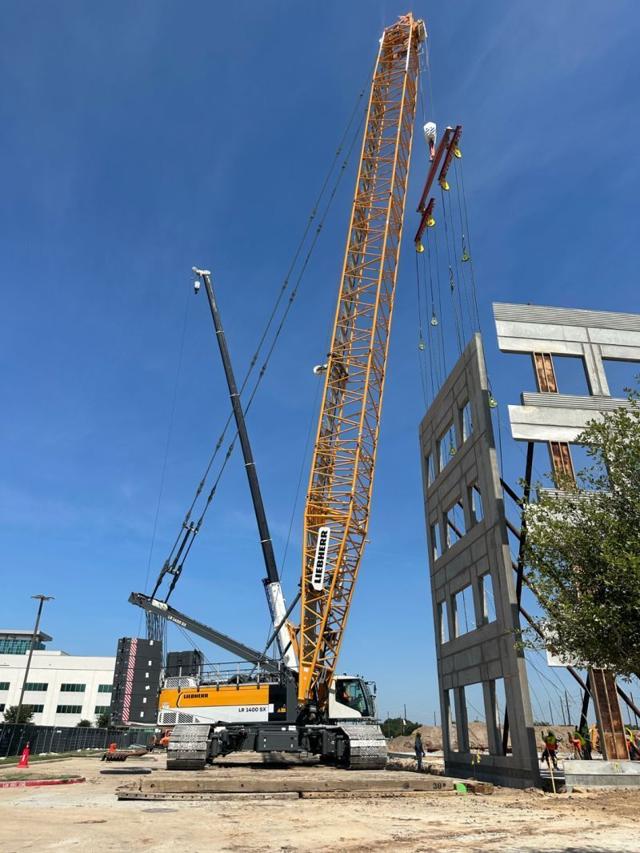
Unusual load shapes require specialized rigging and careful planning.
Environmental Factors
Weather conditions such as wind and rain can impact lifting operations.
Addressing these challenges requires experience, planning, and the right equipment.
Improving Safety Through Planning
Safety is the top priority in any lifting operation. Strategic planning helps ensure:
- Compliance with safety regulations
- Proper equipment usage
- Trained operators and rigging teams
Working with experienced providers like Hill Crane services in CA and AZ ensures that safety standards are consistently met.
Benefits of Professional Crane Services
Partnering with professional crane service providers offers several advantages:
Expertise and Experience
Experienced teams understand the complexities of lifting operations and can anticipate potential challenges.
Advanced Equipment
Modern cranes and rigging systems improve efficiency and safety.
Comprehensive Solutions
Providers offering both crane and rigging services streamline project execution.
For example, Hill Crane crane rigging services in California and Arizona deliver integrated solutions for complex projects.
Real-World Application of Strategic Planning
Consider a project involving the installation of heavy industrial equipment in a confined urban area.
Without proper planning, challenges such as limited space, heavy loads, and coordination issues could delay the project.
With strategic crane planning:
- The right crane is selected
- Rigging is optimized for the load
- The site is prepared in advance
- Lifts are executed efficiently and safely
This approach minimizes risks and ensures timely project completion.
Future Trends in Crane Planning and Lifting
The crane industry is evolving with new technologies and innovations that improve planning and execution.
Key trends include:
- Digital lift planning tools
- Advanced load monitoring systems
- Increased automation in crane operations
- Enhanced safety technologies
These advancements will continue to improve efficiency and reduce risks in lifting operations.
Conclusion
Strategic crane planning is essential for improving safety, efficiency, and overall project success in complex lifting operations. By carefully analyzing project requirements, selecting the right equipment, and working with experienced professionals, contractors can overcome challenges and achieve optimal results.
Whether you are managing a construction project, industrial installation, or infrastructure development, investing in proper crane planning ensures that every lift is executed safely and efficiently.With the right strategy and support, even the most complex lifting projects can be completed with confidence and precision.