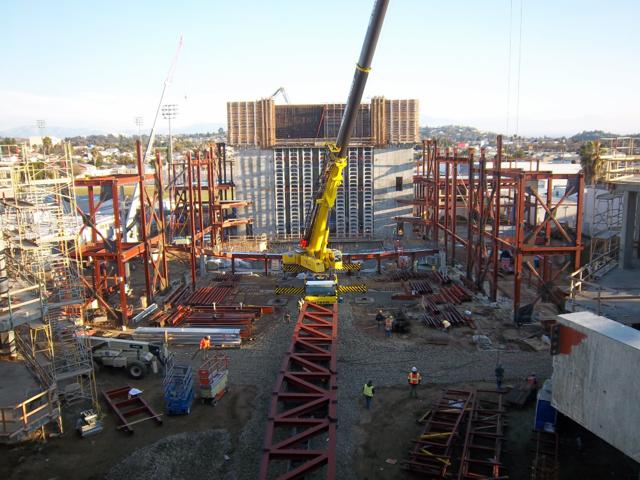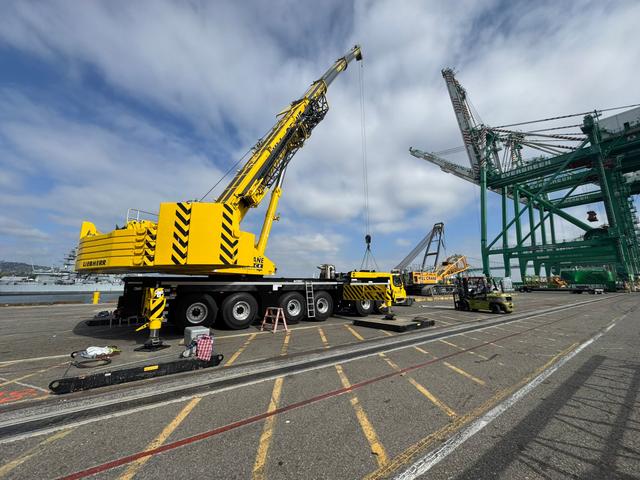


Crane operations are one of the most critical components of modern construction, industrial development, and infrastructure projects. From placing structural steel to lifting heavy equipment into position, cranes make it possible to execute complex tasks with precision and efficiency.
However, crane operations also come with inherent risks. Without proper planning, even a routine lift can result in delays, increased costs, or safety hazards. That’s why advanced crane planning has become essential for contractors, project managers, and operators who want to ensure smooth, safe, and efficient lifting operations.
This article explores how strategic crane planning enhances lift efficiency, reduces risks, and supports successful project execution.
Why Crane Planning Is Essential for Every Project
Crane planning is not just a preparatory step, it is a foundational process that determines the success of lifting operations. Every lift involves multiple variables, including load weight, environmental conditions, equipment capabilities, and team coordination.
Key Benefits of Proper Crane Planning:
- Improved jobsite safety
- Reduced risk of accidents
- Efficient use of equipment
- Minimized downtime
- Better cost control
Without a structured plan, projects often face delays due to equipment mismatches, poor coordination, or unexpected challenges.
Understanding the Complexity of Modern Lifting Operations
Construction and industrial projects are becoming increasingly complex. Lifts are no longer limited to simple vertical movements they often involve precise positioning, tight spaces, and coordination with multiple teams.
Common Challenges in Crane Operations:
- Limited jobsite access
- Heavy or oversized loads
- Obstructions such as buildings or power lines
- Weather-related disruptions
- Tight deadlines
To better understand how complex lifts are managed, explore crane rental california rigging services complex lifts
Key Components of an Effective Crane Plan
A comprehensive crane plan ensures that every aspect of the lift is carefully considered before execution.
Essential Elements Include:
- Accurate load calculations
- Crane selection based on capacity
- Site layout and positioning
- Lift path and clearance planning
- Risk assessment and mitigation
Each of these components plays a critical role in ensuring a safe and efficient lift.
Choosing the Right Crane for the Job
Selecting the correct crane is one of the most important decisions in the planning process. Using the wrong crane can lead to inefficiencies, increased costs, or even safety hazards.
Factors to Consider:
- Load weight and size
- Required lift height and radius
- Ground conditions
- Space constraints
For expert guidance, visit choosing the right crane and heavy equipment
The Role of Rigging in Safe Lifting Operations
Rigging is a crucial part of crane operations, ensuring that loads are securely attached and properly balanced during lifting.
Key Rigging Considerations:
- Selecting appropriate slings and hardware
- Ensuring load stability
- Proper attachment points
- Weight distribution
Learn more about rigging best practices in crane rigging heavy lifts
Improving Lift Efficiency Through Strategic Planning
Efficiency is a major goal in any construction project. Proper crane planning helps streamline operations and reduce unnecessary delays.
Ways to Improve Efficiency:
- Schedule lifts in advance
- Coordinate with other trades
- Minimize crane repositioning
- Use experienced operators
Efficient planning not only saves time but also reduces operational costs.
Enhancing Safety with Structured Protocols
Safety is the top priority in crane operations. A well-planned lift minimizes risks and ensures compliance with safety standards.
Key Safety Measures:
- Conduct pre-lift inspections
- Establish clear communication protocols
- Monitor weather conditions
- Train operators and crew
For detailed safety insights, explore safety protocols crane operations risk free lifts
Coordinating Teams for Seamless Operations
Crane operations involve multiple teams, including operators, riggers, site supervisors, and project managers.
Tips for Effective Coordination:
- Assign clear roles and responsibilities
- Use standardized communication signals
- Conduct pre-lift meetings
- Monitor progress in real time
Strong coordination ensures that all team members work together efficiently and safely.
Reducing Downtime and Delays
Downtime is one of the biggest challenges in crane operations. Delays can disrupt project timelines and increase costs.
Strategies to Minimize Downtime:
- Ensure equipment readiness
- Plan for contingencies
- Maintain backup equipment options
- Address issues proactively
The Importance of Site Analysis
Understanding the jobsite is essential for effective crane planning.
Key Factors to Evaluate:
- Ground stability
- Space for crane setup
- Proximity to structures
- Access routes
Proper site analysis helps prevent unexpected issues during lifting operations.
Managing Complex Lifts with Multi-Service Support
Large projects often require coordination between multiple service providers. Working with a multi-service partner can simplify operations and improve efficiency.
Benefits Include:
- Streamlined communication
- Reduced logistical challenges
- Improved project coordination
- Enhanced safety
Learn more in multi service lift partners reduce project complexity
Avoiding Common Crane Planning Mistakes
Even experienced teams can make mistakes that impact efficiency and safety.
Common Mistakes Include:
- Underestimating load weight
- Choosing the wrong crane
- Poor communication
- Ignoring weather conditions
Avoiding these mistakes is essential for successful operations.
Leveraging Technology in Crane Operations
Modern technology is transforming crane planning and execution.
Innovations Include:
- Load monitoring systems
- GPS tracking
- Digital lift planning tools
- Real-time performance monitoring
These tools help improve accuracy, efficiency, and safety.
Building a Long-Term Crane Strategy
A long-term approach to crane operations ensures consistent performance across projects.
Key Elements Include:
- Partnering with experienced providers
- Investing in training
- Monitoring performance metrics
- Continuously improving processes
Future Trends in Crane Operations
The crane industry is evolving with new technologies and practices.
Emerging Trends Include:
- Automation and remote operation
- Eco-friendly equipment
- Advanced safety systems
- Smart jobsite integration
Conclusion
Advanced crane planning is essential for improving lift efficiency, reducing risks, and ensuring successful project outcomes. By focusing on proper equipment selection, detailed planning, and effective coordination, contractors can achieve safer and more efficient operations.
Whether handling routine lifts or complex projects, a strategic approach to crane planning ensures that every lift is executed with precision and confidence.