Crane rental and rigging services play a critical role in the success of large-scale construction, industrial, and infrastructure projects. From placing structural steel to executing complex heavy lifts, the right crane equipment and rigging expertise can determine whether a project stays on schedule and within budget. In regions like California and Arizona, where projects often involve tight job sites, strict safety regulations, and heavy loads, experience and precision are essential.
For decades, Hill Crane Service, Inc. has supported industries across both states with dependable crane rental and engineered rigging solutions. Serving contractors and industrial operators since 1947, the company has built a reputation for handling complex lifts with a focus on safety, planning, and execution. Their services extend across construction, aerospace, energy, refining, and infrastructure sectors, where lifting accuracy and coordination are non-negotiable.
This guide explains how crane rental and rigging services support projects in California and Arizona, what to consider when choosing a provider, and why proper planning makes a measurable difference in heavy-lift operations.
Why Crane Rental Services Matter in California and Arizona
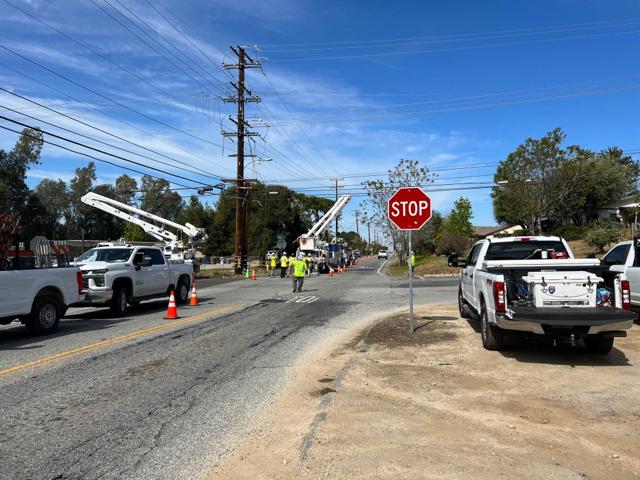
Construction and industrial projects in California and Arizona face unique challenges. Dense urban environments, remote desert locations, seismic considerations, and strict safety standards all influence how lifting operations are planned and executed. Crane rental services provide access to specialized equipment that matches these demands without requiring contractors to invest in ownership.
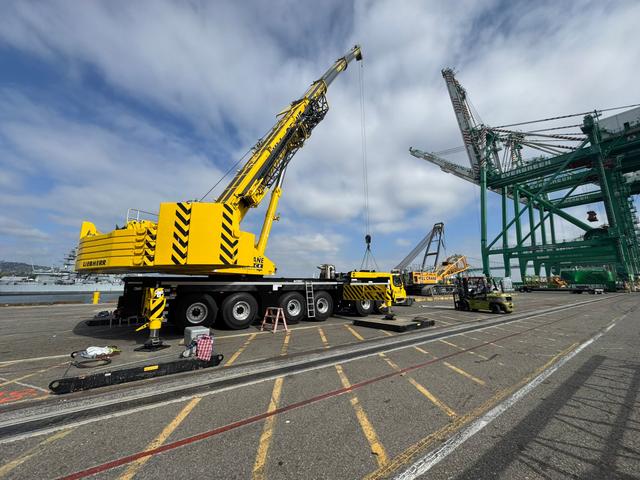
Renting cranes allows projects to use the right equipment for each lift rather than relying on a limited in-house fleet. This flexibility improves efficiency and reduces risk. Hydraulic cranes, rough terrain cranes, and large-capacity lifting equipment can be brought in exactly when needed, then removed once the task is complete.
In California, crane rental is especially important for high-rise construction, infrastructure upgrades, and industrial facilities where space constraints and precision are critical. In Arizona, projects often involve large-scale industrial builds, energy facilities, and infrastructure work that require powerful cranes capable of handling heavy components in challenging environments.
The Role of Hydraulic and Rough Terrain Cranes
Hydraulic cranes are widely used for their versatility and control. They are well suited for projects that require precise placement of loads, such as structural steel erection, HVAC installation, and equipment setting. Their ability to operate efficiently in confined spaces makes them valuable on urban job sites.
Rough terrain cranes are designed for uneven surfaces and challenging ground conditions. These cranes are commonly used in industrial plants, remote job sites, and infrastructure projects where traditional cranes may struggle. Their mobility and stability allow them to operate safely in demanding environments.
Choosing the correct crane type is essential for safe and efficient lifting. A professional crane rental provider evaluates site conditions, load requirements, and access limitations to recommend the most appropriate equipment for each project.
Certified Crane Operators and Jobsite Safety
Crane operations involve significant risk if not handled properly. Certified crane operators play a vital role in maintaining safety and efficiency on the job site. These professionals understand load dynamics, crane capacity limits, and proper operating procedures under varying conditions.
Working with a crane rental provider that supplies certified operators reduces the likelihood of accidents and delays. Operators are trained to follow safety protocols, communicate clearly with rigging teams, and respond effectively to changing conditions on site.
Safety planning extends beyond operation. Proper crane setup, load calculation, and lift execution are all part of a coordinated process that protects workers, equipment, and surrounding structures.
Understanding Rigging Services and Their Importance
Rigging services are just as important as crane selection. Rigging involves the design and use of slings, shackles, spreader bars, and custom lifting devices that safely secure and control loads during lifting. Poor rigging can compromise even the most advanced crane equipment.
Professional rigging services ensure that loads are balanced, secured, and lifted according to engineered plans. This is especially important for irregular or oversized loads that require custom solutions. In California and Arizona, rigging services are commonly used for heavy industrial components, prefabricated structures, and specialized installations.
Rigging expertise also reduces the risk of damage to equipment and structures. Properly engineered rigging protects valuable assets and minimizes costly mistakes during lifting operations.
Engineered Lift Planning and In-House Engineering
Complex lifts require more than experience. They require detailed planning and engineering. Engineered lift planning involves analyzing load weight, center of gravity, crane capacity, rigging configuration, and site conditions before the lift takes place.
In-house engineering capabilities allow crane and rigging providers to create precise lift plans tailored to each project. Using CAD modeling and load analysis, engineers can simulate lifts, identify risks, and develop solutions that improve safety and efficiency.
Engineered lift solutions are essential for projects such as BESS installations, refinery turnarounds, aerospace component placement, and heavy industrial upgrades. These lifts often involve tight tolerances and high-value equipment where precision is critical.
Real-World Applications of Crane and Rigging Services
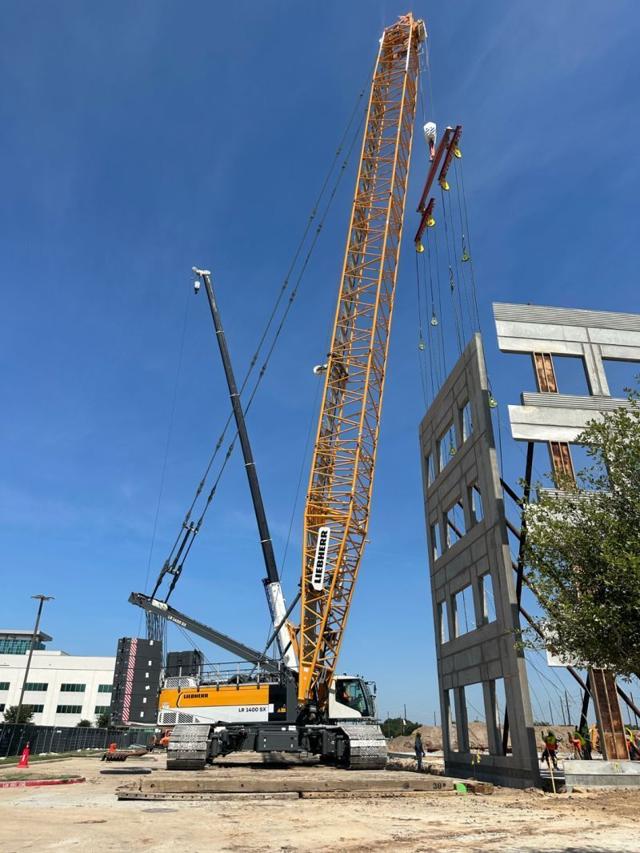
Crane rental and rigging services support a wide range of industries across California and Arizona. In construction, cranes are used for steel erection, precast placement, and mechanical installations. These tasks require accurate positioning and coordinated lifting operations.
In industrial settings, cranes and rigging are used to move heavy machinery, install processing equipment, and support plant maintenance activities. Refineries, power plants, and manufacturing facilities rely on experienced lifting teams to minimize downtime and maintain safety.
Specialized projects such as nuclear decommissioning, aerospace assembly, and large-scale energy storage installations require advanced planning and execution. These environments demand strict compliance, precise engineering, and proven lifting expertise.
SPMT Transport and Heavy Move Capabilities
Some projects involve moving loads that exceed the capacity of standard transport methods. Self-propelled modular transporters are used to move extremely heavy or oversized components across job sites or industrial facilities.
SPMT transport services allow for controlled movement of large structures, machinery, or modules with minimal disruption. When combined with crane and rigging services, SPMTs support complete heavy-lift and heavy-move solutions.
These capabilities are especially valuable for industrial expansions, plant relocations, and infrastructure projects where components must be moved safely and efficiently.
Why Experience and Longevity Matter
Crane rental and rigging are fields where experience directly impacts outcomes. Providers with decades of experience have encountered a wide range of challenges and developed processes to address them safely. Long-term operation also reflects a commitment to training, equipment quality, and safety culture.
A company with a long history in crane and rigging services understands how to adapt to evolving regulations, technologies, and industry needs. This experience translates into better planning, smoother execution, and fewer surprises on the job site.
Choosing the Right Crane and Rigging Partner
Selecting a crane rental and rigging provider should involve more than comparing rates. Factors such as safety record, operator certification, engineering support, and equipment quality all play a role in project success.
A reliable partner takes time to understand project requirements and provides guidance throughout the planning and execution process. Clear communication, transparent processes, and responsive support help ensure lifting operations proceed without unnecessary delays.
Working with a provider that offers both crane rental and rigging services simplifies coordination and improves accountability. Integrated solutions reduce risk and support better outcomes.
Long-Term Value of Professional Crane Services
Professional crane and rigging services deliver long-term value by reducing risk, protecting assets, and improving project efficiency. Proper planning and execution prevent costly mistakes and keep projects on schedule.
By using rental services instead of owning equipment, contractors maintain flexibility and control costs. Access to specialized cranes and engineering expertise allows projects to meet technical requirements without excessive investment.
Over time, working with an experienced crane and rigging provider supports safer job sites, stronger project performance, and greater confidence in complex lifting operations.
Final Thoughts
Crane rental and rigging services are essential components of construction and industrial projects across California and Arizona. From routine lifts to highly complex engineered operations, the right equipment and expertise make a measurable difference.
By prioritizing safety, planning, and experience, projects can be executed efficiently and reliably. Choosing a provider with proven capabilities in crane rental, rigging, and engineered lift solutions helps ensure that even the most challenging lifts are completed with precision and confidence.