Heavy lifting projects leave little room for error. Whether moving oversized industrial equipment, installing structural steel, or transporting modular systems, every lift requires detailed coordination, precise calculations, and experienced execution. In industries where downtime is expensive and safety is critical, engineered lift planning has become one of the most important parts of modern crane operations.
Across California and Arizona, contractors, utilities, refineries, and infrastructure developers rely on engineered lift planning to reduce risk and improve project efficiency. Companies like Hill Crane use advanced planning, CAD engineering, and specialized rigging systems to ensure each lift is completed safely and according to schedule.
What Is Engineered Lift Planning?
Engineered lift planning is the process of designing and coordinating every aspect of a crane lift before equipment arrives onsite. Instead of relying on estimates or field adjustments, engineers create a detailed plan that considers crane capacity, load weight, ground conditions, wind limitations, rigging configurations, swing radius, and site access.
A complete lift plan may include:
- Crane selection and positioning
- Ground bearing pressure calculations
- Rigging design and load distribution
- Lift sequencing
- Transportation logistics
- Traffic control coordination
- Weather analysis
- Safety procedures and compliance documentation
Modern lift planning often uses CAD drawings and 3D simulations to visualize operations before work begins. This allows crews to identify potential issues early and avoid costly delays during execution.
Why Lift Planning Matters in Heavy Crane Projects
Large lifting operations involve multiple moving parts. A single mistake can create delays, damage equipment, or increase safety risks. Engineered lift planning reduces uncertainty by creating a controlled and predictable workflow.
In heavy industrial projects, planning helps teams:
- Improve jobsite safety
- Reduce downtime
- Prevent equipment damage
- Increase lifting precision
- Streamline permitting
- Minimize operational disruptions
- Improve communication between crews
Without proper planning, projects often face unexpected challenges such as insufficient crane capacity, unstable ground conditions, clearance conflicts, or transportation delays.
Companies specializing in crane rentals and rigging services use engineered planning to prevent these issues before lifting begins.
Reducing Risk Through Detailed Site Analysis
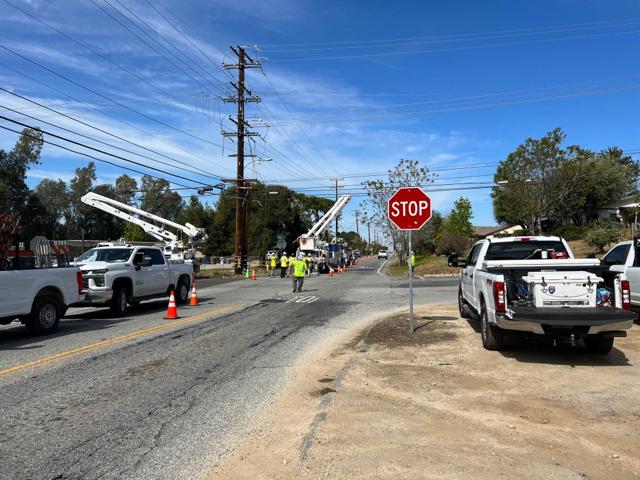
Every jobsite presents different challenges. Urban construction projects may have limited space and overhead utilities, while industrial facilities often involve confined areas, underground infrastructure, or active operations nearby.
Lift planners conduct detailed site assessments to identify:
- Access limitations
- Soil stability
- Nearby structures
- Power line clearances
- Equipment staging areas
- Traffic flow
- Wind exposure
- Emergency access routes
This information helps determine the safest crane setup and rigging approach for the project.
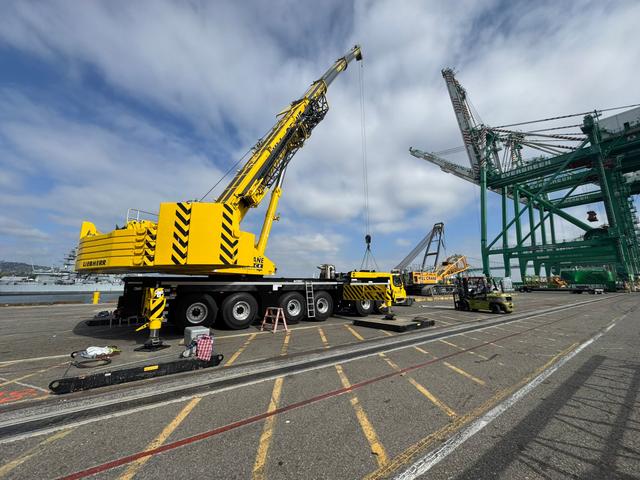
For example, crawler cranes may be selected for long-duration heavy lifts, while hydraulic truck cranes may be better for quick urban installations where mobility matters. Choosing the wrong crane can increase costs and create operational risks.
How CAD Engineering Improves Lift Accuracy
Technology has transformed modern lift planning. CAD engineering and 3D modeling allow teams to simulate complex lifts before execution.
Using advanced software, planners can:
- Model crane movements
- Calculate load paths
- Verify rigging angles
- Analyze swing clearances
- Identify obstructions
- Optimize crane positioning
These simulations improve accuracy and reduce guesswork onsite.
According to Hill Crane Services, engineered lift plans and 3D simulations are critical for reducing risk and ensuring compliance on complex projects.
By identifying conflicts before mobilization, contractors can avoid expensive delays and improve coordination between project teams.
The Role of Rigging in Lift Planning
Rigging is one of the most technical aspects of any heavy lift. Improper rigging configurations can create unstable loads, uneven weight distribution, and unsafe lifting conditions.
Engineered rigging plans determine:
- Sling selection
- Spreader bar requirements
- Attachment points
- Load balance
- Center of gravity
- Tension calculations
Advanced rigging systems such as hydraulic gantries, slide systems, and SPMTs are often integrated into heavy industrial projects where traditional crane methods are not practical.
The rigging specialists at Hill Crane Rigging Services support projects involving oversized equipment, refinery maintenance, power infrastructure, and modular transport systems.
Why Ground Conditions Are Critical
Ground stability is one of the most overlooked factors in crane safety. Heavy cranes create enormous pressure on the surface beneath them. If the ground cannot support the load, the crane may become unstable.
Lift planners calculate ground bearing pressure to determine:
- Crane mat requirements
- Soil reinforcement needs
- Outrigger support
- Safe equipment positioning
This is especially important for refinery sites, infrastructure projects, and energy facilities where underground utilities or weak soil conditions may exist.
Proper planning helps prevent ground failures that could damage equipment or create dangerous lifting conditions.
Coordinating Transportation and Heavy Haul Logistics
Many heavy lifting projects involve oversized equipment transportation before lifting begins. Transformers, turbines, modular units, and industrial skids often require specialized hauling and route planning.
Engineered lift planning includes transportation coordination such as:
- Oversize permits
- Route surveys
- Bridge clearances
- Traffic control
- Escort scheduling
- Delivery sequencing
Integrated planning reduces downtime by ensuring cranes, transport equipment, and crews arrive in the correct order.
According to Hill Crane Heavy Haul & Modular Services, combining lifting and transportation services under one provider improves efficiency and minimizes scheduling conflicts.
Supporting Complex Industrial Sectors
Engineered lift planning is especially important in industries where precision and safety standards are extremely high.
Energy and Utility Projects
Power plants, substations, and renewable energy facilities often require lifting oversized electrical components in active operational environments. Lift plans help minimize outages and maintain safety compliance.
Refinery Maintenance
Refinery turnarounds involve strict schedules and limited shutdown windows. Engineered planning helps crews complete lifts quickly while reducing operational disruption.
Aerospace Facilities
Aerospace projects often involve sensitive equipment and restricted workspaces. Precise planning ensures equipment is moved without damage.
Structural Steel Erection
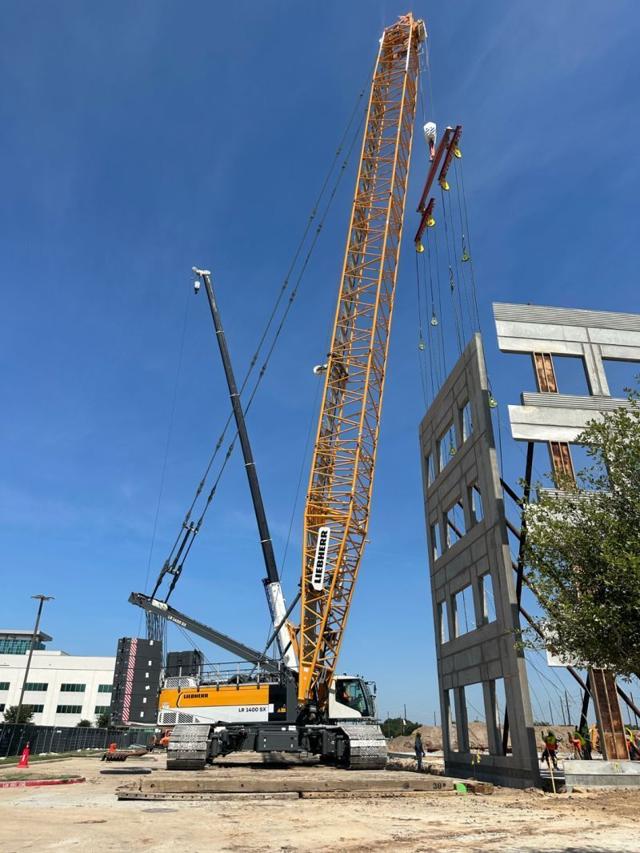
Steel erection requires careful sequencing and load coordination to maintain structural stability during installation.
Hill Crane supports these specialized sectors with engineered lift planning, certified operators, and advanced crane solutions across California and Arizona.
Improving Communication Between Project Teams
Heavy lifting projects often involve multiple contractors, engineers, site managers, and safety personnel. Without clear communication, even well-equipped projects can experience delays.
Lift planning improves coordination by providing:
- Clear execution procedures
- Defined responsibilities
- Equipment schedules
- Safety protocols
- Visual lift diagrams
- Emergency response planning
Detailed lift documentation ensures everyone understands the project sequence before operations begin.
This level of coordination becomes especially important during tandem lifts, confined-space operations, or multi-phase industrial projects.
The Importance of Certified Operators and Safety Procedures
Even the best lift plan requires experienced crews to execute it safely. Certified crane operators and rigging professionals play a critical role in maintaining safe operations onsite.
Professional crane companies use:
- NCCCO-certified operators
- Daily safety briefings
- Equipment inspections
- Job hazard analyses
- Regulatory compliance procedures
Safety-focused operations reduce accidents, improve efficiency, and help projects stay on schedule.
Hill Crane About Us highlights its long-standing focus on safety, certified operators, and engineered lifting solutions for high-risk projects.
How Integrated Crane Services Improve Efficiency
Many project delays happen because multiple vendors are handling different parts of the operation. One company may provide transportation, another handles rigging, and another supplies cranes.
Integrated crane service providers simplify coordination by managing:
- Lift engineering
- Crane rentals
- Rigging
- Heavy hauling
- Traffic control
- Permit coordination
This reduces communication gaps and improves accountability throughout the project.
You can also learn more about integrated lifting operations in these related articles:
The Future of Heavy Lift Planning
As projects become larger and more complex, engineered lift planning will continue evolving through advanced technology and automation.
Future trends may include:
- Real-time load monitoring
- AI-assisted lift analysis
- Drone-assisted site surveys
- Digital twin simulations
- Automated safety tracking
Despite technological advances, experienced engineers and skilled crane crews will remain essential for safe execution.
The combination of engineering expertise, modern equipment, and detailed planning continues to shape the future of crane and rigging operations across the Southwest.
Final Thoughts
Engineered lift planning has become a critical part of safe and efficient heavy lifting operations. From crane selection and rigging design to transportation logistics and safety coordination, detailed planning reduces risk and improves project performance.
Companies that invest in engineered lift planning gain better operational control, improved safety outcomes, and fewer project delays. Whether supporting refinery maintenance, infrastructure upgrades, aerospace work, or energy installations, strategic planning ensures lifting operations are completed with precision and confidence.
For contractors and facility managers handling complex lifts, partnering with experienced providers like Hill Crane Service offers the expertise, engineering support, and specialized equipment needed for successful project execution.