

Successful crane operations depend on much more than simply bringing equipment to a jobsite. Every heavy lift involves multiple variables including load weight, crane capacity, ground conditions, rigging configurations, site access, weather, personnel coordination, and safety requirements. Without proper planning, even routine lifting operations can quickly become inefficient, costly, or dangerous.
Professional lift planning helps construction companies, industrial facilities, infrastructure projects, and commercial contractors improve safety, reduce delays, and maintain better operational control during crane operations. A well-developed lift plan ensures that equipment, personnel, and lifting procedures work together efficiently before the first load ever leaves the ground.
At Hill Crane Service, comprehensive crane, rigging, and heavy lifting support helps contractors across California and Arizona complete demanding projects with improved safety, precision, and operational efficiency.
What Is Lift Planning?
Lift planning is the process of evaluating and organizing every aspect of a crane lift before operations begin.
A professional lift plan may include:
- Load analysis
- Crane selection
- Rigging requirements
- Site evaluation
- Ground condition assessment
- Lift path coordination
- Personnel assignments
- Safety procedures
- Weather considerations
- Communication protocols
Lift planning helps eliminate uncertainty and ensures that all teams involved understand the operational process before lifting begins.
Why Lift Planning Matters
Crane operations involve significant risk when loads are moved improperly or without sufficient preparation.
Poor planning can contribute to:
- Equipment overload
- Rigging failures
- Load instability
- Jobsite congestion
- Delayed operations
- Property damage
- Worker injuries
Effective lift planning improves control and allows crews to identify potential hazards before they become serious problems.
Lift planning also helps improve:
- Productivity
- Scheduling accuracy
- Crew coordination
- Equipment efficiency
- Overall project reliability
Every Lift Is Different
No two lifting operations are exactly alike. Even similar lifts may involve different environmental conditions, access limitations, load configurations, or safety challenges.
Factors influencing lift planning include:
- Load dimensions
- Weight distribution
- Lift radius
- Crane reach
- Site elevation
- Wind exposure
- Terrain stability
- Nearby structures
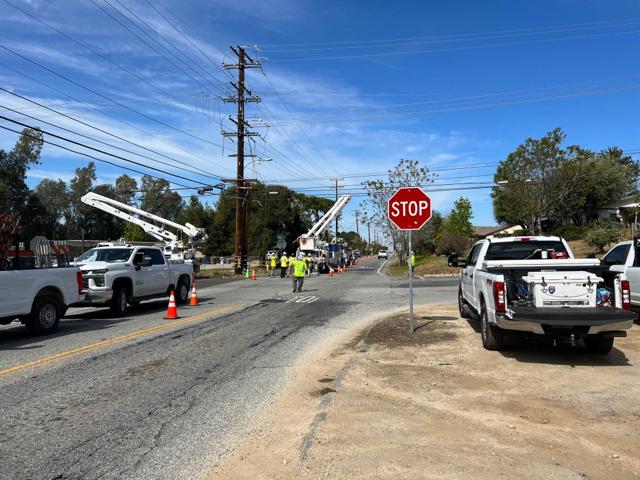
- Utility lines
- Traffic management
Customized lift planning ensures crane operations are adapted to actual project conditions rather than relying on assumptions.
Proper Crane Selection Starts with Planning
Choosing the right crane is one of the most important parts of any lift plan.
Different projects may require:
- Hydraulic truck cranes
- Rough terrain cranes
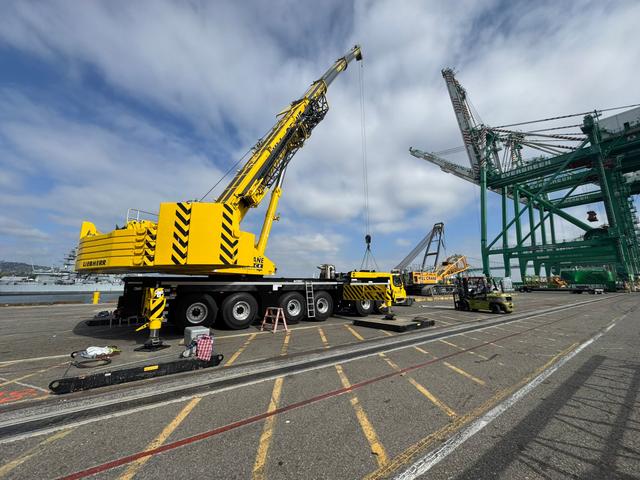
- All-terrain cranes
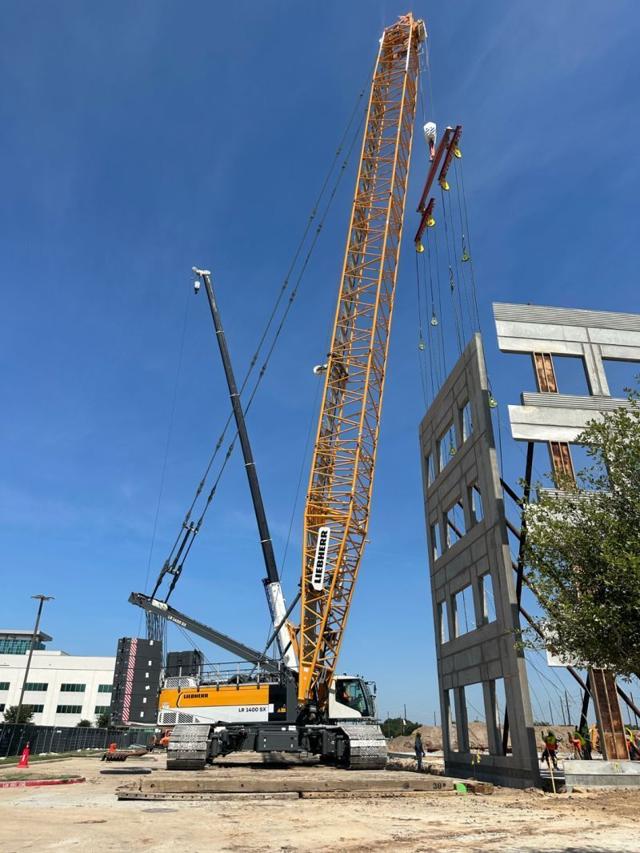
- Crawler cranes
- Specialized lifting equipment
Using a crane that is too small may create safety risks and operational limitations. Using oversized equipment may increase project costs unnecessarily.
Proper lift planning helps determine:
- Required lifting capacity
- Boom length
- Counterweight configuration
- Site access needs
- Mobility requirements
More equipment selection guidance can be found in Choosing the Right Crane and Heavy Equipment.
Ground Conditions Are Critical for Crane Stability
One of the most overlooked aspects of crane operations is ground stability.
Crane loads place enormous pressure on the surface beneath the equipment. Poor soil conditions or uneven terrain can compromise stability and increase tipping risks.
Lift planning includes evaluating:
- Soil compaction
- Surface grading
- Underground utilities
- Outrigger placement
- Load-bearing capacity
- Environmental conditions
Additional ground support measures may include:
- Crane mats
- Stabilization pads
- Temporary access roads
- Reinforced work areas
Assessing these conditions before setup improves safety and reduces operational delays.
Rigging Configuration Must Match the Load
Rigging systems connect the load to the crane and play a major role in lifting safety.
Improper rigging can lead to:
- Uneven load distribution
- Sling failure
- Load shifting
- Equipment damage
- Uncontrolled movement
Professional lift planning helps determine the correct:
- Sling types
- Hitch configurations
- Spreader bars
- Shackles
- Load angles
- Weight calculations
Complex lifting operations often require specialized rigging strategies to maintain load stability throughout the lift.
Rigging support is discussed further in:
Lift Planning Improves Crew Coordination
Crane projects often involve multiple teams working simultaneously.
Personnel may include:
- Crane operators
- Riggers
- Signal persons
- Site supervisors
- Safety managers
- General contractors
- Equipment operators
Without clear coordination, communication problems can create confusion and increase operational risk.
Lift planning establishes:
- Defined responsibilities
- Communication procedures
- Lift sequencing
- Emergency response plans
- Site access control
This organized approach improves efficiency and helps crews work together more effectively.
Weather Conditions Can Affect Crane Operations
Weather plays a major role in crane safety and lift performance.
Wind, rain, heat, lightning, and visibility conditions all influence lifting operations.
High winds can create:
- Load swing
- Reduced crane stability
- Difficult load positioning
- Increased rigging stress
Lift planning helps teams establish weather limitations and contingency procedures before operations begin.
Monitoring environmental conditions throughout the project helps maintain safer lifting practices.
Site Congestion Requires Careful Planning
Construction and industrial sites are often crowded with:
- Workers
- Vehicles
- Materials
- Equipment
- Utility systems
- Structural obstacles
Crane operations require adequate space for:
- Crane setup
- Boom movement
- Load travel
- Truck access
- Rigging operations
Lift planning helps reduce congestion risks by coordinating work zones and minimizing operational conflicts.
Efficient site coordination also helps reduce project downtime.
Lift Planning Helps Reduce Downtime
Unexpected delays during crane operations can become extremely expensive.
Downtime may result from:
- Improper equipment selection
- Rigging adjustments
- Site access issues
- Safety concerns
- Communication failures
- Mechanical limitations
Professional planning helps identify potential obstacles before the lift begins.
This proactive approach improves:
- Project scheduling
- Labor efficiency
- Equipment utilization
- Cost control
Reducing downtime becomes especially important during large infrastructure and industrial projects operating under strict deadlines.
Multi-Service Coordination Simplifies Complex Projects
Many projects require more than just crane rental services.
Operations may also involve:
- Rigging support
- Specialized hauling
- Heavy transport
- Site preparation
- Lift engineering
- Equipment coordination
Working with integrated lifting partners helps reduce logistical complexity while improving communication across all project phases.
This coordinated approach is discussed further in Multi Service Lift Partners Reduce Project Complexity.
Safety Culture Starts Before the Lift
Safe crane operations begin during the planning process, not after equipment arrives on-site.
Comprehensive lift planning helps establish:
- Risk assessments
- Safety checkpoints
- Equipment inspections
- Operator procedures
- Emergency planning
- Exclusion zones
Strong safety preparation reduces the likelihood of accidents and helps crews maintain better operational awareness throughout the lift.
Additional safety insights are available in:
Lift Planning Supports Large Infrastructure Projects
Infrastructure projects often involve highly complex lifting operations.
These projects may include:
- Bridge construction
- Utility installation
- Industrial expansion
- Structural steel placement
- Renewable energy projects
Large-scale operations require detailed coordination between engineering teams, contractors, crane specialists, and safety personnel.
Professional lift planning helps maintain:
- Operational consistency
- Regulatory compliance
- Equipment reliability
- Efficient scheduling
As infrastructure projects become more demanding, lift planning continues playing an increasingly important role in project success.
California and Arizona Projects Face Unique Challenges
Crane projects across California and Arizona often involve region-specific operational conditions.
Examples include:
- Urban congestion
- Extreme temperatures
- Desert terrain
- Seismic considerations
- Mountainous access routes
- Wind exposure
- Tight construction schedules
Local project experience helps lifting teams adapt planning strategies to regional environmental and regulatory conditions.
Regional crane service expertise is discussed further in:
Technology Is Improving Lift Planning
Modern crane operations increasingly rely on advanced planning technologies.
New tools may include:
- Digital lift simulations
- Load monitoring systems
- Site mapping software
- Crane capacity modeling
- GPS coordination
- Real-time communication systems
Technology helps lifting teams improve precision while reducing uncertainty during complex operations.
However, experienced personnel and practical field knowledge remain essential for safe execution.
Lift Planning Improves Project Confidence
Contractors, developers, and project managers all benefit from greater operational predictability.
Professional lift planning helps improve confidence by:
- Clarifying procedures
- Reducing unexpected delays
- Improving safety readiness
- Strengthening communication
- Supporting scheduling accuracy
Well-organized crane operations create smoother workflows across the entire project site.
When Professional Crane Support Matters Most
Some lifting operations require far more than basic crane rental services.
Professional lift planning becomes especially important during:
- Heavy industrial lifts
- High-capacity crane operations
- Critical infrastructure projects
- Limited-access sites
- Complex rigging scenarios
- Multi-crane lifts
- Time-sensitive operations
Experienced lifting teams help reduce operational risk while improving overall project efficiency.Additional crane rental insights are available in:
Final Thoughts
Lift planning is one of the most important parts of safe and efficient crane operations. Careful preparation helps teams evaluate equipment requirements, site conditions, rigging systems, safety procedures, and operational logistics before lifting begins.
From improving crane stability and reducing downtime to enhancing communication and strengthening safety protocols, professional lift planning supports smoother and more reliable project execution across construction, industrial, and infrastructure environments.
As lifting operations become increasingly complex, companies that prioritize detailed planning and experienced crane support will be better positioned to complete projects safely, efficiently, and on schedule. Through comprehensive crane, rigging, and heavy lifting services, Hill Crane Service continues helping contractors across California and Arizona manage challenging lifting operations with greater confidence and operational control.