A crane brought in for a single lift or a few days of work involves a fairly straightforward planning process. A crane committed to a construction site for months, supporting an entire building phase rather than a discrete lift event, involves a different set of considerations entirely, from cost structure and site logistics to maintenance responsibility and contractual terms that short-term rentals rarely need to address. Contractors planning a multi-month crane commitment benefit from understanding these differences before signing a rental agreement built around assumptions more suited to a short-duration job.
How Long-Term Rental Pricing Differs From Short-Term Rates
Crane rental pricing structures typically shift meaningfully once a rental extends from days or weeks into months, and contractors evaluating a long-term commitment should understand how that pricing actually works rather than assuming a short-term daily or weekly rate simply extrapolates linearly across a multi-month period. Long-term rentals often carry a lower effective daily rate in exchange for the rental company securing guaranteed revenue over an extended period, but the specific structure, whether a flat monthly rate, a rate that adjusts based on actual usage hours, or a hybrid structure, varies between providers and should be understood clearly before committing.
This pricing conversation connects directly to the broader planning considerations covered in our article on why detailed lift planning is essential for heavy lifting projects, where understanding the full scope and duration of crane need upfront allows for more accurate cost planning across a project's full timeline rather than discovering mid-project that actual usage patterns do not match the assumptions built into the original rental agreement.
Choosing the Right Crane Type for Extended Site Presence
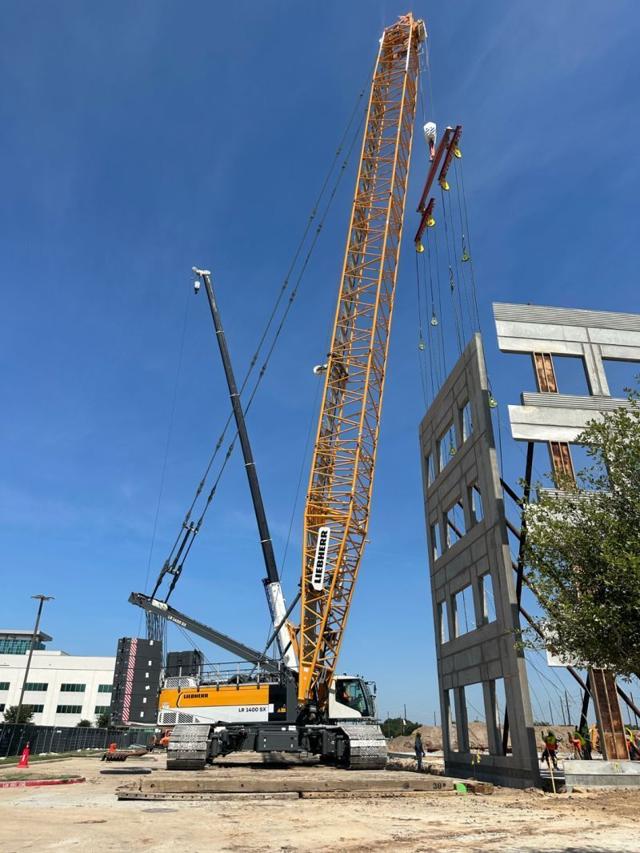
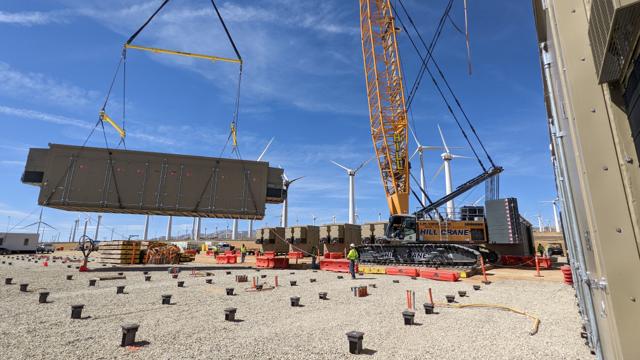
Not every crane type suits an extended, months-long presence on an active construction site equally well. Tower cranes, for instance, are specifically designed for exactly this kind of long-term, fixed-position deployment supporting vertical construction over an extended building phase, while mobile cranes like truck cranes and crawler cranes are generally better suited to shorter-duration work or projects requiring the crane to relocate between different areas of a site or between multiple sites during the rental period.
The comparison between crawler cranes and truck cranes covered in our article on crawler cranes versus truck cranes: which to choose is a useful starting point for contractors deciding which mobile crane category best fits a long-term project's specific lifting and mobility needs, though projects involving sustained vertical construction over many months should also seriously evaluate whether a tower crane's fixed, purpose-built design offers meaningfully better economics and efficiency than repeatedly relying on a mobile crane across the same extended timeline.
Site Logistics for a Crane That Is Not Leaving Soon
A crane present on site for months requires meaningfully different site logistics planning than one scheduled for a brief visit. Ground conditions beneath and around the crane's operating position need to hold up reliably across an extended period, including through seasonal weather changes that could affect soil stability or ground bearing capacity over time, rather than only needing to support the crane for a single short setup.
This extended ground condition consideration is covered in more depth in our article on ground conditions, crane setup, and site assessment, and the stakes are meaningfully higher for a long-term deployment, where a ground condition problem that develops months into a rental creates a far more disruptive and costly issue than the same problem would create during a brief single-day setup. Contractors should factor extended-duration ground stability into their site assessment specifically when planning a multi-month crane commitment, rather than relying solely on an assessment scoped for short-term use.
Maintenance Responsibility Across an Extended Rental Period
Short-term crane rentals typically place maintenance responsibility entirely on the rental provider, since the crane returns to their care shortly after the job concludes. Long-term rentals often involve a more nuanced maintenance arrangement, where routine inspection and maintenance responsibilities may be shared or scheduled around the project's ongoing operational needs rather than handled entirely off-site between short-term jobs. Contractors should clarify exactly how maintenance will be handled during an extended rental, including who is responsible for scheduling routine inspections, how maintenance downtime will be coordinated with the project schedule, and what happens if a significant mechanical issue arises mid-project.
This maintenance planning connects to the broader safety protocol considerations covered in our article on safety protocols for crane operations and risk-free lifts, since a crane operating continuously across a multi-month project accumulates operating hours and wear at a pace that makes consistent maintenance discipline considerably more important than it would be for a crane used only intermittently across a similar calendar period.
Coordinating Crane Availability With a Multi-Phase Project Schedule
Long-duration construction projects rarely need a crane operating at full capacity every single day across the entire rental period. Lift-intensive phases alternate with periods where the crane's role is more limited, and understanding this pattern helps contractors negotiate rental terms and scheduling that reflect actual anticipated usage rather than assuming continuous peak demand throughout the full rental duration.
The project coordination considerations covered in our article on how crane services improve project coordination and efficiency apply with particular relevance to long-term rentals, where close coordination between the general contractor, the crane provider, and other trades sharing the site becomes an ongoing operational relationship rather than a one-time planning conversation limited to a single lift day.
Operator Continuity and Site Familiarity
One underappreciated advantage of a long-term crane rental is the operator familiarity that develops over an extended engagement. An operator who works the same site continuously across months develops a working knowledge of the site's specific layout, other trades' schedules, and the project's particular lift patterns that a rotating cast of operators brought in for individual short-term jobs cannot replicate. This continuity often translates into smoother daily coordination and fewer communication gaps between the crane crew and the broader project team as the relationship matures over the rental period.
Contractors negotiating a long-term rental agreement should ask directly about operator continuity, whether the same operator or operating team will remain assigned to the project throughout the rental period, and what happens if operator turnover occurs during an extended engagement, since consistent staffing is a meaningful factor in how smoothly an extended crane deployment actually runs.
Contract Terms Specific to Extended Engagements
Long-term crane rental agreements typically include contract provisions that short-term agreements rarely address in the same depth, including terms covering early termination, schedule extensions if the project runs longer than initially planned, and provisions addressing weather delays or other circumstances that pause active lifting without necessarily ending the rental period. Contractors should review these terms carefully before signing, particularly around what happens financially if a project schedule shifts significantly from what was originally planned when the rental agreement was negotiated.
Working with a provider experienced specifically in long-term industrial and construction crane deployments, rather than one whose primary business is short-term individual lifts, generally produces contract terms and operational support better suited to the realities of a months-long project, since that experience shapes how the provider structures pricing, staffing, and maintenance planning around extended engagements rather than treating a long-term rental as simply a series of short-term jobs strung together.
Evaluating a One-Stop Provider for Extended Engagements
Contractors managing a long-term crane deployment alongside the many other moving parts of a multi-month construction project often benefit from working with a provider capable of handling rigging, transport, and related heavy-lift services under a single relationship rather than coordinating separately with multiple vendors across the project's duration. The advantages of this consolidated approach are covered in our article on how one-stop heavy lift services reduce project delays and cost overruns, and the benefit compounds over a long-term engagement, where the administrative and coordination burden of managing several separate vendor relationships across months of active work adds up to a meaningful drain on project management time and attention.
A single accountable provider also simplifies communication when something needs to change mid-project, whether that is an adjustment to the lift schedule, an unexpected equipment issue, or a shift in project scope that affects crane requirements. Contractors evaluating providers for a long-term commitment should ask specifically about the breadth of services available under one contract, since consolidating this relationship tends to produce smoother outcomes across an extended project than piecing together separate crane, rigging, and transport arrangements independently.
Insurance and Liability Considerations Over an Extended Period
Extended crane deployments carry insurance and liability considerations that differ from short-term rentals simply due to the accumulated exposure across a longer operating period. Contractors should confirm how insurance coverage is structured for the full rental duration, including coverage during any planned downtime between active lift phases, and clarify liability allocation between the general contractor, the crane provider, and any other trades working in proximity to the crane throughout the engagement. These details are worth resolving explicitly in the rental agreement rather than assuming standard short-term rental insurance terms apply unchanged to a multi-month commitment, since the risk profile and coverage needs genuinely differ between the two situations.
Planning for the Full Project Duration From the Start
The contractors who get the most value from a long-term crane rental are the ones who plan for the full engagement from the beginning, addressing pricing structure, crane type selection, site logistics, maintenance responsibility, and contract terms as an integrated package rather than treating each as a separate decision made in isolation. This upfront planning investment pays off across the full duration of a multi-month project, reducing the odds of a costly surprise or operational disruption partway through an engagement that the project depends on running smoothly for months at a time.