

Successful heavy lifting projects depend on much more than selecting a crane with sufficient capacity. Behind every efficient lift operation is a carefully developed logistics plan that coordinates equipment, personnel, transportation, site access, scheduling, and safety requirements.
As construction projects become larger and more complex across California and Arizona, crane logistics planning has become a critical factor in project success. Contractors who invest in detailed lift logistics often experience fewer delays, lower operating costs, improved safety performance, and better overall project outcomes.
While many organizations focus heavily on crane selection, experienced lifting professionals understand that logistics planning is what transforms a good crane operation into an exceptional one. Companies utilizing comprehensive strategic lift planning for crane efficiency and safety consistently achieve smoother project execution and greater operational control.
What Is Crane Logistics Planning?
Crane logistics planning is the process of organizing every aspect of a lifting project before equipment arrives on site.
This planning typically includes:
- Site evaluations
- Crane selection
- Transportation coordination
- Rigging requirements
- Ground bearing analysis
- Permit acquisition
- Crew scheduling
- Lift sequencing
- Safety assessments
- Traffic management planning
The goal is to ensure every component of the lifting operation works together efficiently.
Organizations that understand the value of detailed lift planning for heavy lifting projects often avoid many of the costly issues that affect poorly coordinated jobs.
Why Logistics Planning Matters for Heavy Lifts
Heavy lifting operations involve numerous moving parts. Delays in one area can impact multiple project activities.
Without proper logistics planning, projects commonly face:
- Equipment idle time
- Delivery delays
- Site congestion
- Safety risks
- Unexpected costs
- Schedule disruptions
By creating a comprehensive logistics strategy before mobilization, project teams can identify challenges early and develop solutions before they affect operations.
This proactive approach complements the principles discussed in efficient crane lift execution for project performance .
Improving Equipment Utilization
One of the primary benefits of crane logistics planning is maximizing equipment productivity.
Large cranes represent a significant investment, whether rented or owned. Every hour a crane sits idle waiting for materials, permits, or site access increases project costs.
Proper planning ensures:
- Materials arrive on schedule
- Lift crews are prepared
- Site conditions are ready
- Supporting equipment is available
- Lift sequences are optimized
Contractors frequently achieve better results when combining logistics planning with guidance found in choosing the right crane for your heavy lifting project .
Selecting the correct crane is important, but maximizing its productive operating time is equally valuable.
Coordinating Multiple Project Stakeholders
Modern construction projects often involve numerous contractors, engineers, suppliers, inspectors, and project managers.
Heavy lifting activities affect many of these stakeholders simultaneously.
Crane logistics planning helps coordinate:
- General contractors
- Structural steel crews
- Mechanical contractors
- Utility providers
- Transportation companies
- Safety personnel
- Project owners
This coordination minimizes communication gaps and improves project efficiency.
The value of integrated service coordination is highlighted in how crane services improve project coordination and efficiency.
Transportation Planning for Crane Mobilization
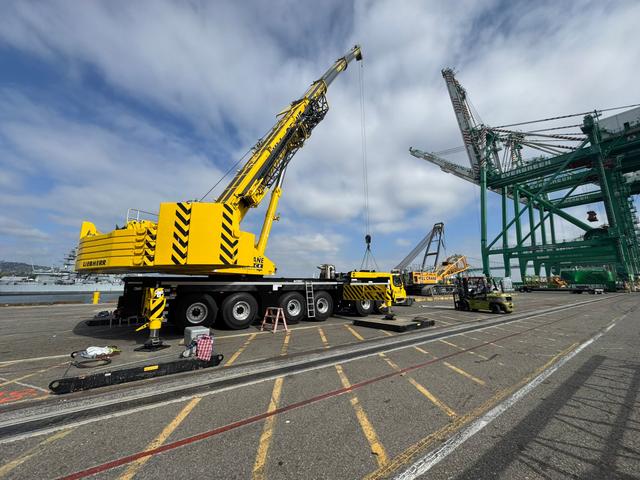
Transporting large cranes often requires significant logistical preparation.
Depending on crane size, transportation may involve:
- Multiple trucks
- Oversized load permits
- Escort vehicles
- Specialized trailers
- Route surveys
Failing to coordinate transportation properly can create major delays before lifting even begins.
For large projects requiring multiple equipment types, organizations often benefit from the streamlined approach discussed in multi-service lift partnerships that reduce project complexity .
Combining transportation, crane services, and rigging under one provider frequently improves efficiency.
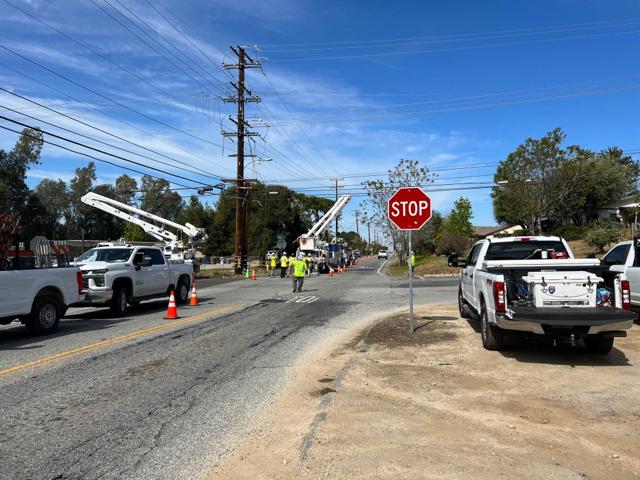
Site Access and Setup Considerations
Even the most advanced crane cannot perform effectively if site conditions are inadequate.
Logistics planning evaluates:
- Entry points
- Ground stability
- Crane assembly areas
- Traffic flow
- Material staging zones
- Utility clearances
These factors directly affect crane performance and safety.
Projects that require large hydraulic truck cranes can particularly benefit from insights discussed in maximizing project efficiency with hydraulic truck cranes .
Proper setup planning often reduces mobilization time and accelerates project schedules.
Reducing Project Delays
Unexpected delays remain one of the biggest threats to construction profitability.
Common crane-related delays include:
- Permit issues
- Site access restrictions
- Equipment conflicts
- Poor lift sequencing
- Weather-related disruptions
Comprehensive logistics planning helps identify these risks before they become costly problems.
The relationship between planning and project performance is also explored in how one-stop heavy lift services reduce project delays and cost overruns .
By centralizing project coordination, contractors can significantly improve schedule reliability.
Enhancing Safety Through Logistics Planning
Safety remains one of the most important objectives of any lifting operation.
A strong logistics plan addresses:
- Lift paths
- Exclusion zones
- Rigging procedures
- Emergency response plans
- Crew responsibilities
- Weather monitoring
- Hazard identification
Rather than reacting to hazards as they arise, logistics planning allows teams to proactively manage risks.
These principles align closely with recommendations found in crane rigging strategies for heavy lifts .
Proper rigging and logistics planning work together to create safer operations.
Managing Complex Lift Sequences
Large projects rarely involve a single lift.
Instead, multiple lifts must occur in a specific sequence to support project construction schedules.
Examples include:
- Structural steel erection
- Bridge construction
- Industrial plant installations
- Energy infrastructure projects
- Manufacturing facility expansions
Logistics planning helps establish efficient lift sequences that reduce crane repositioning and minimize disruptions.
Organizations performing highly technical lifting operations often rely on expertise similar to that described in crane rental and rigging services for complex lifts .
Supporting Modular Construction Projects
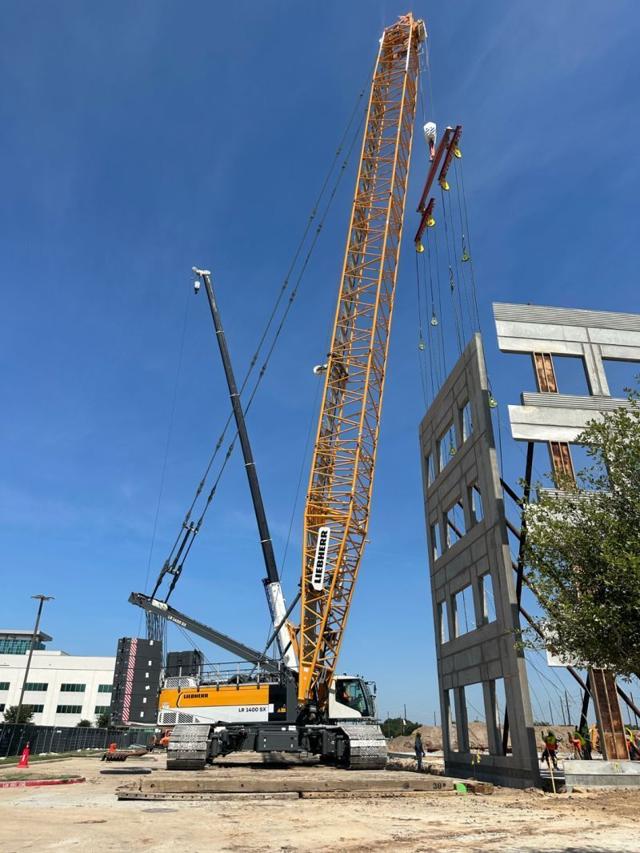
Modular construction continues to grow throughout the Southwest because of its speed and efficiency advantages.
However, lifting large prefabricated modules requires extraordinary planning.
Key considerations include:
- Transportation timing
- Lift windows
- Ground conditions
- Crane positioning
- Rigging engineering
The specialized requirements of these projects often overlap with the strategies outlined in heavy modular transport and lifting operations .
Effective logistics planning becomes essential when handling oversized components.
Choosing the Right Equipment Combination
Heavy lifting projects often require more than a crane alone.
Supporting equipment may include:
- Forklifts
- Telehandlers
- Boom lifts
- Hydraulic jacking systems
- Transport trailers
Proper logistics planning ensures all required equipment is available when needed.
This process works hand in hand with recommendations from choosing the right crane and heavy equipment .
Selecting the optimal equipment combination improves productivity while controlling costs.
The Advantage of Regional Expertise
California and Arizona present unique lifting challenges.
Project teams must consider:
- Urban construction restrictions
- Desert conditions
- Mountain terrain
- Coastal environments
- Regional permit requirements
Experienced providers offering crane services throughout California and Arizona understand these regional factors and can develop logistics plans that account for local conditions.
This regional expertise often contributes significantly to project success.
Technology’s Growing Role in Crane Logistics
Modern technology continues to improve logistics planning capabilities.
Project teams increasingly utilize:
- Digital site modeling
- GPS tracking
- Lift simulation software
- Drone surveys
- Project management platforms
These tools help visualize lift operations before equipment arrives on site.
Many of these advancements are contributing to innovations discussed in the future of heavy lifting in the Southwest .
Technology enables greater precision, efficiency, and safety than ever before.
Crane Rental Providers as Strategic Partners
Today’s leading crane companies provide much more than equipment.
They assist with:
- Lift engineering
- Site evaluations
- Transportation planning
- Permit coordination
- Rigging design
- Safety planning
This comprehensive support helps contractors simplify operations and improve project outcomes.
Businesses throughout the Southwest increasingly rely on crane rental services in California and crane rental solutions across California and Arizona that include logistics expertise alongside equipment services.
Conclusion
Successful heavy lifting projects are built on careful planning long before the crane arrives on site. While crane selection remains important, logistics planning is often the factor that determines whether a project stays on schedule, remains within budget, and operates safely.
From transportation coordination and site preparation to lift sequencing and stakeholder communication, crane logistics planning improves every stage of project execution. Organizations that invest in comprehensive planning consistently experience better equipment utilization, fewer delays, improved safety performance, and stronger project outcomes.
As construction and industrial projects continue growing in complexity across California and Arizona, strategic crane logistics planning will remain one of the most valuable tools for achieving successful heavy lift operations.