Wind energy projects present crane demands unlike most construction lifts, extreme height, specialized rigging for oddly shaped components, and site conditions that rarely resemble a typical building lot. This genuinely shapes what kind of crane, planning, and provider experience a wind project actually needs, and treating turbine installation like any other heavy lift risks real project delay or, worse, a serious safety problem given how unforgiving this specific application is to a poorly matched crane setup.
Height and Capacity Demands Across Three Distinct Lift Types
Turbine installation involves three genuinely different lift profiles within a single project. Tower sections require substantial capacity to lift and stack cylindrical steel segments to considerable height, with each successive section lift happening at greater elevation than the last. The nacelle, the turbine's housing containing the generator and gearbox, represents a concentrated, heavy load requiring precise placement at the very top of the completed tower. Blade installation demands an entirely different rigging approach, since blades are long, aerodynamically shaped, and genuinely sensitive to wind conditions during the lift itself, a consideration most other construction lifts never have to account for in the same way.
Why Crawler Cranes Typically Handle This Work
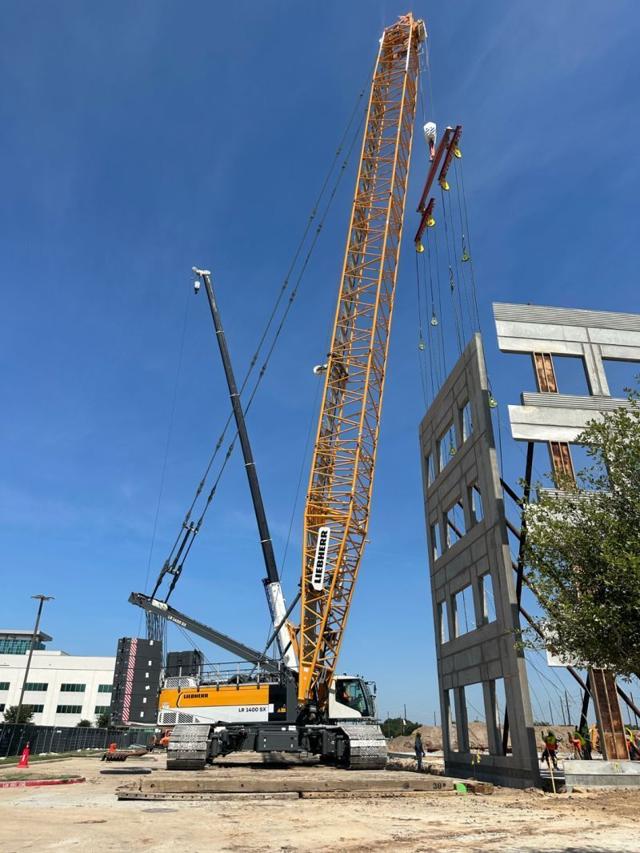
Our comparison of crawler cranes vs. truck cranes covers how these two mobile crane categories differ, and wind turbine installation typically favors crawler cranes given the combination of height, capacity, and stability this specific application demands. Crawler cranes offer the load capacity and boom length needed to reach nacelle and blade installation heights on modern wind turbines, along with the ground-bearing stability that comes from their tracked configuration, an important factor given how often wind project sites present less-than-ideal ground conditions compared to a typical urban construction lot.
Site Conditions at Wind Project Locations
Our article on ground conditions and crane setup site assessment covers why soil and ground bearing capacity matter directly for crane stability, and wind project sites frequently present exactly the kind of challenging conditions this assessment process exists to catch. Remote locations, uneven terrain, and ground that hasn't been engineered and compacted the way a typical building site would be all factor into whether a specific crane setup can actually operate safely at a given turbine location. Thorough ground assessment before mobilizing crane equipment protects against discovering a stability problem only once a crane is already on site and committed to a specific setup position.
Lift Planning Complexity Across a Multi-Stage Installation
Our article on why detailed lift planning is essential for heavy lifting projects covers this broader planning principle, and turbine installation applies it across a genuinely sequenced, multi-stage process rather than a single lift event. Tower section stacking needs to happen in the correct order and alignment before nacelle installation can even begin, and nacelle placement needs to be complete and properly secured before blade installation starts. Each stage depends on the one before it being executed correctly, which means lift planning for a wind project needs to account for this full sequence as an integrated whole, not a series of independent lifts planned in isolation from each other.
Permitting for Oversized Transport to Remote Sites
Our guide on crane lift permits and requirements in California and Arizona covers this broader regulatory landscape, and wind projects add a genuine layer of complexity given how large the crane components themselves are just to transport to a remote installation site. Crawler crane components, along with the tower sections, nacelles, and blades being installed, frequently require oversized load permits and careful route planning to actually reach wind project locations that are often well outside typical urban infrastructure built to accommodate this scale of transport. Building this permitting and transport lead time into overall project scheduling, rather than treating it as a formality handled quickly once equipment is ready to move, protects against a genuine bottleneck that can delay an entire project's installation timeline.
Comparing to Refinery Turnaround: Another Specialized Industrial Application
Our article on crane services for refinery turnarounds in California and Arizona covers a different specialized industrial application, and comparing the two highlights what makes wind energy work genuinely distinct within that broader specialized category. Refinery turnaround work typically operates within an established industrial facility with existing infrastructure and more predictable ground conditions, while wind projects frequently work in genuinely remote, undeveloped locations requiring far more site preparation and logistics planning before a single lift can even begin. Both applications demand real specialized experience, but the specific challenges each one presents differ enough that experience in one doesn't automatically translate into readiness for the other.
Weather Sensitivity: A Consideration Specific to Blade Lifts
Wind speed limits represent a genuine operational constraint specific to blade installation that most other crane applications simply don't face to the same degree. A blade's large surface area and aerodynamic shape make it particularly sensitive to wind during the lift itself, and exceeding safe wind speed thresholds during a blade lift creates real control risk that experienced wind energy crane operators plan around carefully. This weather sensitivity means wind project schedules need real flexibility built in around blade installation specifically, since a lift ready to proceed on paper may still need to wait for acceptable wind conditions before it can safely happen.
How Modern Turbine Scale Has Raised the Bar
Wind turbine height and component size have grown considerably as the industry has moved toward larger, more efficient turbine models, and this trend has raised crane capacity and reach requirements right alongside it. A crane setup that comfortably handled an earlier generation of smaller turbines may fall short of what a current, larger model actually requires, both in maximum lift height and in the load capacity needed at that height. Project developers working with older capacity assumptions, whether based on a previous project or general industry knowledge that hasn't kept pace with current turbine scale, should confirm crane requirements against their specific turbine model's actual current specifications rather than assuming a crane configuration that worked on a past project will still be adequate for a newer, larger installation.
This scaling trend also affects site preparation requirements, since larger cranes needed for bigger turbines often demand more substantial ground preparation and a larger operating footprint than a smaller crane configuration would have required on an earlier project.
Why This Application Demands Genuine Specialized Experience
A crane provider with strong general heavy lift experience does not automatically translate into readiness for wind turbine installation specifically, given how much this application's height, sequencing, and weather sensitivity differ from more typical construction lifting work. Working with a provider who has genuine, documented experience in wind energy installation specifically, not just general heavy lift capability, protects a project from the kind of costly learning curve that comes from a provider encountering these specific challenges for the first time on your project rather than already having a proven approach developed through prior wind energy work.
Questions Worth Asking a Prospective Crane Provider
A few direct questions help confirm whether a provider genuinely fits a wind energy project's specific demands. How many wind turbine installations has this provider actually completed, and can they speak specifically to how they manage the tower, nacelle, and blade sequencing on a real project rather than describing general heavy lift capability alone? What crawler crane capacity and boom length do they have available, and does it genuinely match your specific turbine model's height and component weight requirements? And how does their planning process account for wind speed limits during blade installation specifically, including how much schedule flexibility they build in around this weather-dependent phase of the work?
Getting clear, specific answers to these questions, rather than general reassurance about heavy lift experience broadly, gives project developers real confidence that a provider actually understands this application's particular demands before committing to a full installation schedule.
Final Thoughts
Wind turbine installation presents crane demands genuinely distinct from most construction lifting work, extreme lift heights across three different component types, remote and often challenging site conditions, complex multi-stage sequencing, and real weather sensitivity during blade installation specifically. Working with a crane provider who has documented, specific experience in this exact application, rather than general heavy lift capability alone, protects both project timeline and safety on a job where the margin for a poorly matched crane setup or inexperienced planning is considerably narrower than it would be on a more conventional construction lift, and where the cost of getting it wrong extends well beyond a single delayed pour or missed deadline.